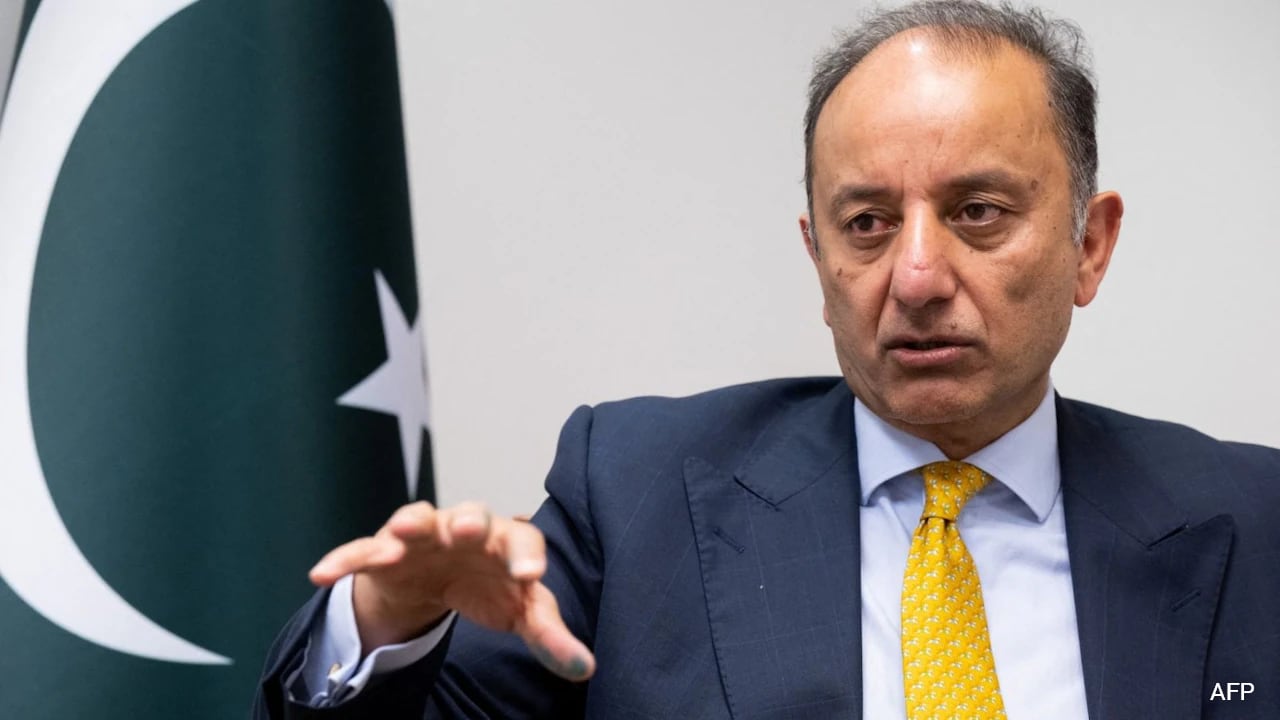
Diplomatic ice doesn't melt overnight, but every once in a while, a single cracked pane lets in enough light to notice. When high-level delegations shift their stance after years of icy silence, the implications stretch far beyond standard photo ops. That is precisely why political watchers are tracking the movements surrounding upcoming cross-border engagements with intense scrutiny.
We've seen decades of stalled talks, rhetorical sparring matches, and sudden security clampdowns dictate the rhythm of bilateral ties between India and Pakistan. Yet, whenever ministers or high-ranking officials make a rare trip across the frontier, it signals an underlying shift in diplomatic calculations. Let's break down why this particular visit matters, what led up to it, and how it fits into the broader chess game of South Asian geopolitics.
The Weight of Precedent and Protocol
Cross-border visits between New Delhi and Islamabad are never casual affairs. Every single movement is meticulously negotiated behind closed doors months in advance. When an official from Pakistan prepares to cross over, especially following a prolonged freeze sparked by tense security operations like Operation Sindoor, the stakes are exceptionally high.
Historically, domestic political optics in both nations dictate how these interactions play out. Leaders can't afford to look weak at home, which means breakthroughs rarely happen in the open. Instead, groundwork gets laid through quiet backchannels—often mediated by third-party capitals—long before any official itinerary hits the public wire.
If you look past the standard media soundbites, you'll notice a distinct pattern. High-stakes visits usually occur when economic pressures or regional security realities outweigh political posturing. Trade stagnation, internal security challenges, and international pressure to maintain regional stability force leaders back to the table, even if they'd rather avoid each other.
Decoding the Timing After Operation Sindoor
The shadow of past military escalations looms large over any contemporary diplomatic overture. Following the security measures and tactical operations grouped under the umbrella of Operation Sindoor, communication channels hit rock bottom. Diplomatic missions were downgraded, bilateral trade slowed to a trickle, and formal dialogue was effectively suspended.
So, why test the waters now?
The reality on the ground has evolved. Stagnant economies and shifting global alignments mean neither country benefits from perpetual hostility. For Pakistan, managing external economic vulnerabilities requires a pragmatic recalibration of regional friction points. For India, keeping the western border stable allows a primary focus on broader strategic and economic ambitions on the global stage.
It's a mistake to view this visit as an immediate precursor to a comprehensive peace treaty or a resumption of bilateral cricket series. Diplomacy at this level is incremental. It's about establishing baseline communication, managing escalation risks, and testing whether mutual trust can be rebuilt from zero.
What Most Analysts Miss About Cross-Border Optics
Most mainstream coverage focuses entirely on the handshakes and the potential for a grand reconciliation. That misses the point entirely. The real work happens in the closed-door technical sessions where delegates discuss Visa simplifications, trade corridors, and line-of-control protocols.
When a minister makes a rare trip, they carry a specific mandate. They aren't there to solve Kashmir in an afternoon. They are there to gauge intentions.
- Backchannel Diplomacy: Public posturing is for domestic consumption; real concessions are hashed out away from cameras.
- Economic Realities: Inflation and resource strains often act as the ultimate drivers of diplomatic realism.
- Third-Party Influence: Global powers frequently nudge both sides toward basic stability to prevent localized flashpoints from spiraling.
Moving Forward in a Fragile Region
Navigating the complexities of India-Pakistan relations requires looking past the daily emotional headlines. While a single ministerial visit won't magically erase decades of strategic mistrust, it represents a crucial departure from total isolation.
Keep an eye on the follow-up announcements regarding diplomatic staffing levels and trade delegations rather than the initial headlines. That's where you'll see whether this rare visit actually shifted the needle or if it was just another brief thaw before the next freeze.