When an armed group changes its name in eastern Democratic Republic of the Congo, civilians don't expect peace. They brace for another push.
In mid-October 2026, former president Joseph Kabila stepped to the head of a new coalition called the Front for the Refoundation of the Nation, folding the M23 rebellion and the Congo River Alliance into a single political-military banner. By late November, fresh waves of violence and clashes kept straining eastern provinces while health officials warned that Congo's deadliest Ebola outbreak had passed 6,000 deaths across more than 12,000 confirmed cases. Calling the same guns by a new name doesn't stop bullets, and honestly, it makes diplomacy harder.
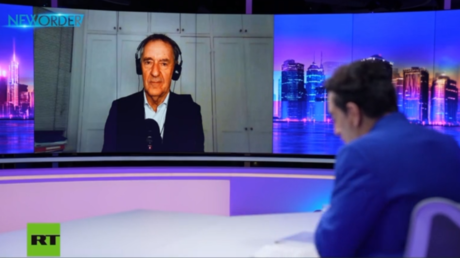
Watching conflict coverage from afar often turns eastern Congo into a blur of acronyms. You see M23, AFC, Wazalendo, FARDC, and now FRN. A video debate or short news clip can easily flatten that complexity into a simple story of one rebel group attacking again. If you want to understand why this rebranded M23 push matters right now, look closely at who is wearing the new badge, what happens to peace talks, and how fighting collides with disease control.
What the Rebranded M23 Actually Changed
A name change on paper is a political move. On the front lines, it's a gamble.
On October 12, 2026, Kabila announced the Front for the Refoundation of the Nation from Goma, moving to absorb the March 23 Movement and replace the Congo River Alliance political structure. Kabila took the top title, with figures linked to AFC and M23 such as Bertrand Bisimwa, Corneille Nangaa, and military chief Sultani Makenga occupying senior roles. For years, critics and international monitors have pointed to external backing—especially accusations from the United States and United Nations regarding Rwanda, which Kigali denies—as a central driver of M23's staying power. Putting a former Congolese head of state at the front looks like an effort to project a broader national face and dilute that external label.
Yet political branding and battlefield unity aren't the same thing. Analysts at organizations like the International Crisis Group and African Security Analysis have pointed out that forming a coalition in speeches doesn't automatically merge command chains or pull every member of Kabila's old political orbit into line. Some figures tied to Kabila's political circle have publicly kept their distance, and Kinshasa quickly hit back by banning 13 political parties accused of ties to the former president while accusing him of plotting a wider attack.
Here's the mistake people make when reading about a rebel rebrand: they assume the group has suddenly transformed into a neat, unified government-in-waiting. Reality is messier. Kabila was sentenced to death in absentia by a Congolese military court in 2025 over treason and war crimes allegations tied to the rebellion—charges his camp rejects as political. Putting a man under a death sentence at the table complicates any clean amnesty or integration deal with President Félix Tshisekedi's government.
Why Peace Talks Keep Stalling While Fighting Continues
Talks and gunfire have run side by side in eastern Congo for months, and neither has canceled the other out.
Even as diplomats pursued regional and international mediation tracks—including Qatari-led and Swiss-mediated efforts alongside regional engagements—clashes kept flaring in North and South Kivu and Ituri. Fighting around mining hubs like Rubaya, across territories like Masisi and Walungu, and near strategic spots like Uvira shows how volatile the map stays. Earlier in 2026, M23 announced a unilateral withdrawal from Uvira after intense pressure and clashes, only for tensions and statements about retaking ground to resurface later in the year.
At the same time, the way this war is fought has shifted. Drones, electronic warfare, private security contractors, and local militias like the Wazalendo all play roles alongside regular Congolese troops. Earlier in 2026, a drone strike near Rubaya killed M23 spokesperson Willy Ngoma, a stark example of how unmanned systems have changed risk on the ground. When a coalition rebrands under Kabila and claims to inherit prior commitments from talks like the Doha track, governments and mediators still have to ask a basic question: who actually controls the guns in a given valley tomorrow morning?
Look at that geography along Lake Kivu and the borders with Rwanda and Uganda. Tight borders, rugged hills, mineral wealth, and overlapping militias mean a single ceasefire line rarely holds for long. When you view the map this way, it becomes obvious why a political announcement in Goma doesn't magically quiet a village road in South Kivu.
How Violence Fuels Congo's Deadliest Ebola Outbreak
Armed conflict doesn't just hurt people with weapons. It breaks the systems that keep epidemics from spreading.
By late November 2026, DR Congo's Ebola outbreak had reached devastating proportions, with government figures putting deaths above 6,000 and confirmed infections over 12,000 across multiple provinces. Health agencies and researchers have been racing to roll out vaccines and containment measures—including trials of an mRNA Ebola vaccine in Uganda and international commitments for future supply—while warning that the outbreak is not under control.
Fighting makes basic public health work extraordinarily hard. Contact tracing stalls when families flee active clashes. Clinics lose supplies or staff when roads become unsafe or border crossings face restrictions around reported cases. Even when people want medical help, fear of shelling, checkpoints, or movement restrictions keeps them away until illness is advanced.
Let's be real: you can't treat an Ebola surge like a standalone medical story when armed groups and government forces are trading fire nearby. A containment team needs safe access, reliable communication, and local trust. Ongoing violence erodes all three at once.
The Human Toll Beyond Headlines
Behind every shift in rebel branding are ordinary lives knocked off course.
Human rights monitors—including the UN human rights office and Human Rights Watch—have documented severe abuses across eastern Congo during 2026, from forced displacement and sexual violence to targeted attacks on journalists, activists, and human rights defenders. Civilians caught between armed actors face extortion, forced recruitment warnings, and sudden displacement. In February 2026, UN experts warned that human rights defenders in the Kivus were paying a heavy price simply for speaking out about abuses.
What's often missed in quick news recaps is how exhausting prolonged instability is for local communities. People return home when a border reopens or fighting lulls—as many displaced people did across the Kavimvira crossing earlier in 2026—only to pack up again when new clashes break out. That constant start-and-stop cycle wrecks farming seasons, schooling, and small trade.
And while international headlines move fast from one crisis to another, data gaps on the ground remain real. Frontline reporting is dangerous, communications can be cut, and casualty or displacement figures often lag behind events by days or weeks. Anyone following this conflict should treat early battlefield claims from any side with healthy skepticism until independent verification catches up.
Practical Next Steps If You're Following or Supporting Response
If you're trying to stay informed, do research, or support relief efforts without falling for rumor or hype, take these concrete steps:
- Cross-check frontline claims against independent monitors. Don't rely on a single social media post or a single faction's statement. Compare reporting from major news wires with analyses from groups like the International Crisis Group, Human Rights Watch, and the International Peace Information Service.
- Track health and humanitarian updates separately from politics. Watch official health advisories and UN/WHO or Africa CDC updates on the Ebola response alongside peace-talk news, because outbreak containment and diplomatic deadlocks move on different clocks.
- Vet aid organizations before donating. If you plan to contribute to humanitarian or medical relief in DR Congo, verify that the organization has active, audited operations in the region and clear transparency on how funds reach medical and displacement programs.
- Watch the bargaining levers, not just the headlines. Pay attention to three real indicators of where things are headed: whether regional mediators can keep talks alive despite Kabila's leadership of the FRN, whether front lines around mining and border hubs shift, and whether health corridors stay open for Ebola response teams.