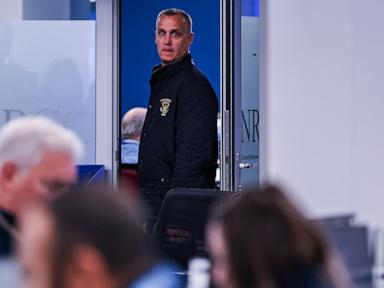
When high-profile political operatives take on unofficial or specialized government advisory roles, the boundary between public service and private influence usually gets blurry fast. That exact tension is playing out right now around Corey Lewandowski and his controversial tenure inside the Department of Homeland Security.
Lawmakers aren't letting up. Senator Maggie Hassan has officially renewed demands for Lewandowski to preserve and hand over all documents tied to his time at the agency. If you've been following the steady drip of oversight letters, ethics complaints, and Department of Justice scrutiny, you know this isn't just standard political theater. It is a high-stakes paper chase to figure out who was really pulling the levers on multi-million dollar contracts.
The Shadow Advisor Problem
Back when Lewandowski operated as an unpaid special government employee advising then-DHS Secretary Kristi Noem, red flags went up across Capitol Hill. Critics and watchdog groups immediately questioned how someone without a formal Senate-confirmed title could wield so much administrative weight. Internal reports and congressional investigations later revealed a routing system where major agency contracts allegedly crossed his desk for a sign-off before hitting the secretary's desk.
That setup breaks every standard rule of bureaucratic accountability. When private consultants or campaign veterans slide into government offices without official paychecks, transparency usually walks out the door. Lawmakers want those records preserved because emails, internal routing sheets, and call logs are the only hard proof of whether public funds were steered toward personal or political connections.
What the Record Preservation Demand Actually Means
Getting ordered to preserve documents isn't a criminal conviction, but it is a massive legal flashing light. Once a congressional committee or federal investigator issues a preservation letter, destroying, deleting, or conveniently "losing" electronic or paper records turns into a severe obstruction issue.
Lewandowski's legal team has previously pushed back, arguing that voluntary advisers didn't face the exact same legal compliance mandates as traditional department heads. But with a shifting Senate majority, incoming committee chairs like Hassan are moving past polite requests. They want answers on the record and under oath. The upcoming November 23 deadline set for these document productions means we'll soon find out whether those internal DHS files corroborate the allegations of improper contracting influence.
The Broader Fallout for Government Accountability
This whole mess exposes a glaring loophole in federal oversight. Administrations of all political stripes have leaned on shadow advisers, informal counselors, and special government employees to bypass confirmation fights. But when those figures start meddling in procurement, grants, and personnel choices, the public loses track of who is actually accountable.
If these document demands stick and the underlying investigations yield hard evidence, expect a major legislative push to close the special government employee loophole for good. Keep your eyes on how the document handover plays out over the coming weeks—because the real story isn't just about one political operative. It is about whether federal agencies can ever truly police informal power.
Check out this video breakdown for more context on the ongoing document battle: Hassan tells Lewandowski to preserve records. This report covers the initial push by Senator Hassan regarding Lewandowski's Department of Homeland Security records.