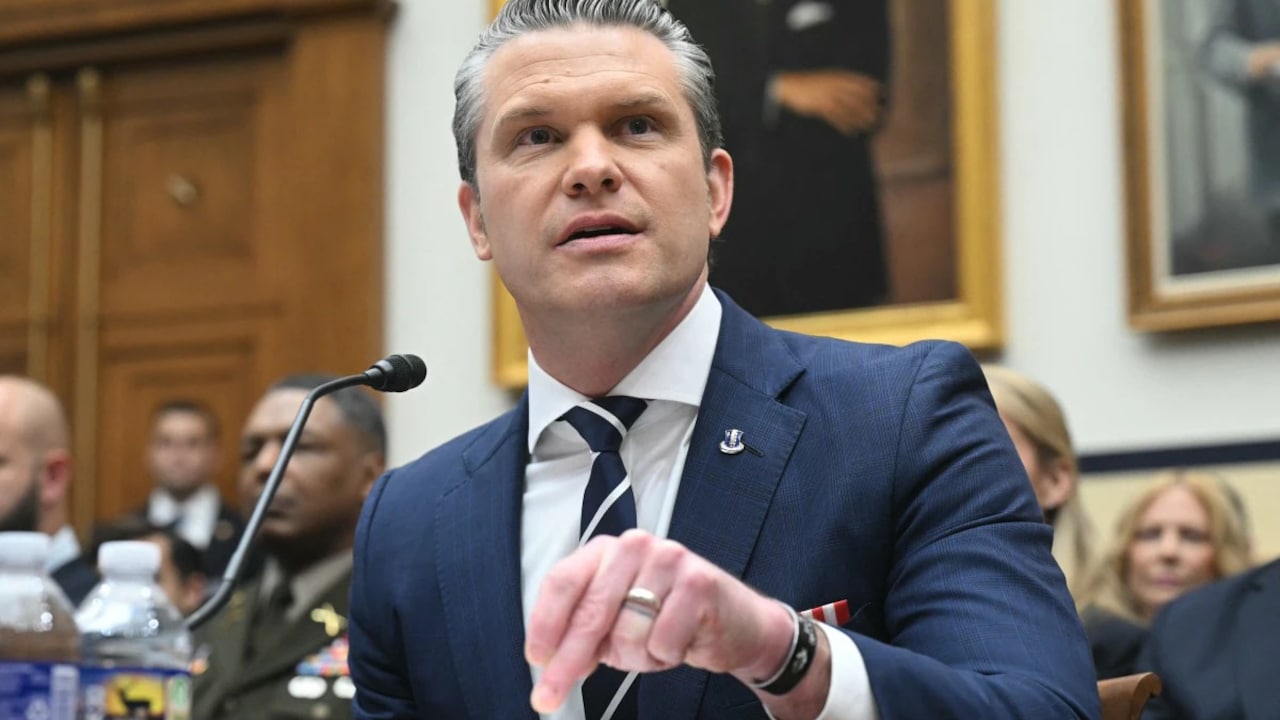
Washington drama rarely pauses, and the latest clash on Capitol Hill proves that toxic politics and military oversight are on a collision course. When the US House of Representatives blocked a resolution to impeach Defense Secretary Pete Hegseth, it felt like a heavy period at the end of a chaotic sentence. But if you think this is the final chapter, you're missing the bigger picture. This fight is merely on intermission.
The move to oust Hegseth was spearheaded by outgoing Republican Representative Thomas Massie, who brought forward eight charges centered on the War Powers Resolution of 1973, specifically pointing to military actions in Iran lasting past the 90-day mark without congressional sign-off. House Republicans quickly swatted the resolution away by a 211-204 vote, steering it straight to the Judiciary Committee where legislation goes to quietly fade. Only one Republican, Massie himself, crossed lines to vote with Democrats. President Donald Trump immediately jumped on social media to declare the push an absolute failure, while Hegseth blasted the attempt during a fiery Pentagon briefing as a political stunt orchestrated by a disgruntled lawmaker.
What Led to This Capitol Clash
To understand why this happened now, look at the shifting map of American power. The midterm elections brought massive losses for Republicans, meaning the current lame-duck session is the final stretch where the outgoing GOP majority holds the steering wheel. Massie utilized a privileged resolution rule to force an immediate floor vote, backing leadership into a tight corner.
Hegseth has been a lightning rod since day one. From leaning into the title of secretary of war to aggressively tackling what he calls a weak and politicized military structure, he has polarization baked into his daily routine. Critics argue his handling of foreign operations flouts constitutional checks and balances. Supporters counter that he is executing necessary defense strategies and winning decisive foreign outcomes without hesitation.
Why January Changes the Math
The vote numbers tell an interesting story, but they don't reflect tomorrow's reality. While the motion to kill the impeachment resolution passed, it survived by a relatively narrow margin. Eleven Democrats missed the vote due to scheduling conflicts or traveling back home, and a handful of strategic shifts could have changed the outcome entirely.
More importantly, a brand-new Congress takes the oath in January, and Democrats are taking over both chambers with a commanding majority. Incoming leadership has made zero secret of their intentions. House Minority Leader Hakeem Jeffries didn't mince words about the timeline, signaling that accountability efforts will roar back to life as soon as the calendar flips.
The Broader Impact on Washington Politics
Cabinet secretary impeachments are exceedingly rare. Only two have faced it in the entire history of the United States—William Belknap in 1876 and Alejandro Mayorkas. Hegseth managed to dodge becoming the third for now, but the institutional friction between the executive branch and congressional war powers is widening.
When you strip away the social media victory laps and the fiery press conferences, the fundamental dispute remains unresolved. Congress wants its constitutional authority over war and peace respected, while the White House insists on operational flexibility.
Keep a close eye on Capitol Hill committees over the next few weeks. The temporary safety net holding up right now is temporary for a reason. Prepare for renewed hearings, sharper subpoenas, and a relentless legislative push when the new session opens its doors.