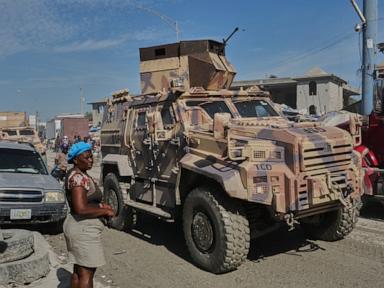
Four soldiers from El Salvador are unaccounted for after armed groups ambushed an armored vehicle in Port-au-Prince. This isn't just another skirmish. It's the most aggressive direct assault on international peacekeepers since the new international security operation began deploying troops to restore order.
The ambush happened on a Sunday in Croix-des-Bouquets, a suburb that used to bustle with commerce before gangs effectively carved it into a fiefdom. When heavy gunfire tore into the convoy, it shattered the fragile illusion that foreign police and military personnel could operate with impunity against heavily armed criminal networks.
The Stakes in Port-au-Prince Right Now
You need to understand the scale of the crisis to grasp why this attack matters so much. Gang violence has forced roughly 1.5 million people out of their homes across Haiti. Between January and mid-September, the United Nations recorded over 5,700 people killed or injured, alongside hundreds of kidnappings.
The international community tried a different playbook this time, sending a multi-national contingent including personnel from Chad, Jamaica, Guatemala, and El Salvador. Yet, criminal syndicates in Haiti aren't hiding in the hills. They possess high-grade weaponry, tactical discipline, and intimate knowledge of urban terrain that leaves incoming troops scrambling.
Why Traditional Intervention Keeps Stalling
Foreign interventions in Haiti carry a complicated history, and local skepticism runs deep. Many residents question whether external forces have a workable strategy or if they are simply treading water.
When an armored vehicle gets overrun or pinned down, it signals a terrifying tactical shift. Gangs are no longer avoiding international units. They are hunting them.
The missing soldiers from El Salvador highlight a glaring vulnerability. Troops face hostile urban environments without adequate intelligence or swift extraction capabilities. If the multinational force cannot secure its own perimeter, protecting ordinary civilians becomes nearly impossible.
Security analysts note that without a massive surge in specialized equipment, real-time intelligence sharing, and aggressive logistics, these missions risk descending into an expensive stalemate. The clock is ticking, and the gangs know it.
Read more about the situation with this Haiti conflict report.
This video provides important background on how armed groups took control of local communities and challenged state security forces.