Five minutes before showtime outside Copenhagen, armed suspects were pulled off the road. The target wasn't a general or a cabinet minister. It was Albert Vasyliev, a US-Ukrainian rapper better known as Kyivstoner, scheduled to take the stage at Skovridderkroen in Charlottenlund on September 25.
When Danish officials went public with the case and moved to expel a Russian defense attaché, a basic news headline wasn't enough to explain what happened. Honestly, if you only read a standard wire summary, you'd miss the bigger shift sitting underneath it. Foreign intelligence services hiring local street-gang muscle on NATO soil isn't a one-off freak incident. It's a playbook getting bolder by the month.
How the Kyivstoner Plot Unfolded Outside Copenhagen
According to Danish prosecutors and reporting from broadcaster DR and Reuters, police stopped a vehicle near the venue at 9:55 p.m. on September 25, just five minutes before the 10:00 p.m. start time. Inside were two loaded pistols and two knives, and charges later noted that one suspect had even bought a ticket to the show. A fourth suspect was picked up later that night.
Two Danish men were brought before a court near Copenhagen in late November facing serious charges under Section 108 of Denmark's criminal code for assisting a foreign intelligence service, alongside attempted murder. Both men have denied wrongdoing. Parts of the court proceedings were closed to the public at the request of prosecutors and defense counsel, which is standard when intelligence sources or ongoing counter-espionage work are on the line.
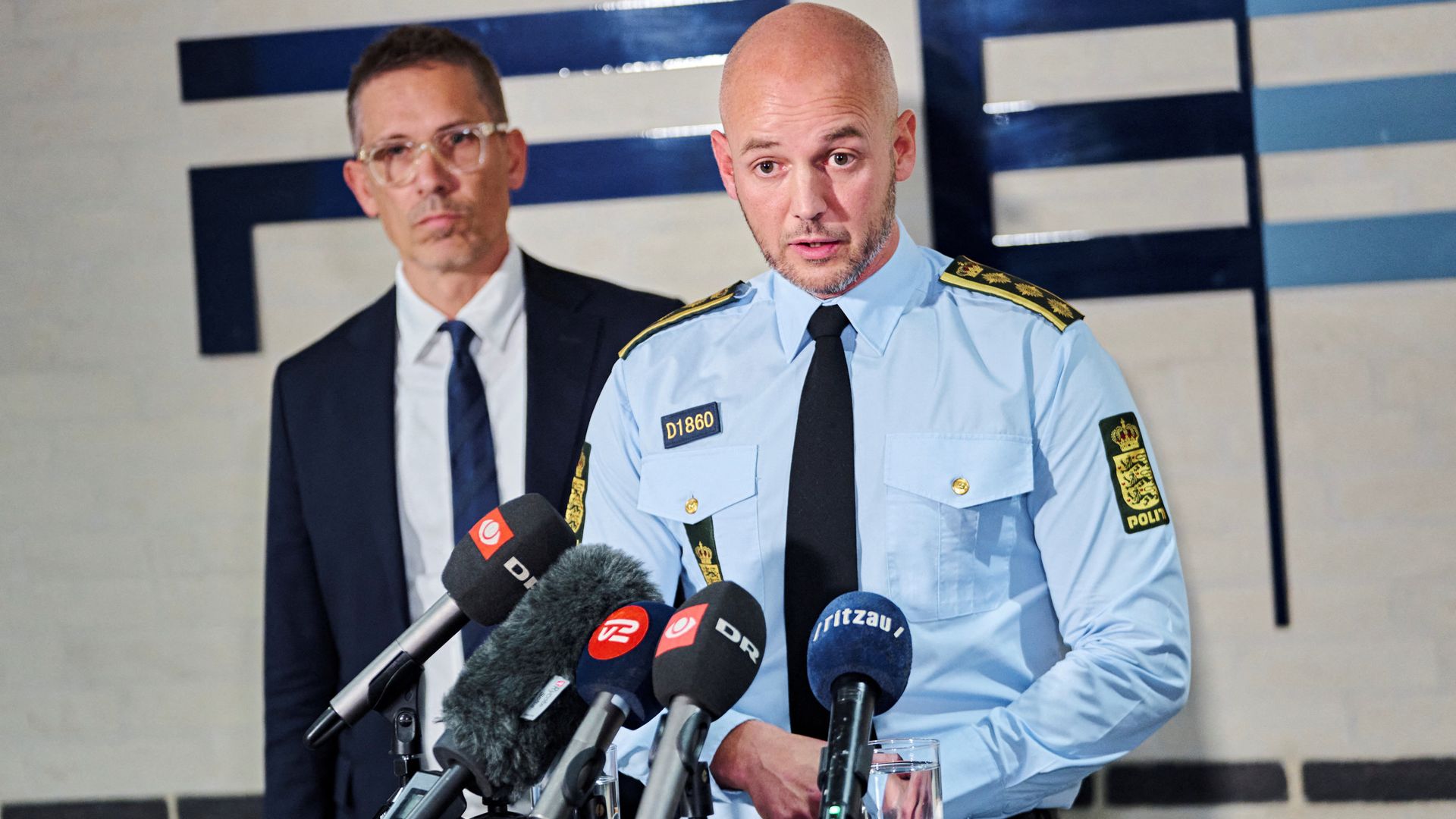
PET chief Rasmus Kieffer-Kristensen stated plainly that Denmark's intelligence assessment points to Russian intelligence services planning the assassination attempt. He called it something Denmark hadn't seen before—a clear sign of an increasingly aggressive, risk-tolerant posture from Moscow. Foreign Minister Lars Løkke Rasmussen ordered the Russian defense attaché to leave within seven days, declaring that enough is enough and signaling tighter scrutiny on non-essential Russian visas across Europe.
Watch how quickly a music night becomes a counter-intelligence crisis when a performer carries dual citizenship, public visibility, and perceived links to Ukraine's war effort.
Why This Wasn't the First Warning Sign
Anyone treating September 25 as a bolt out of the blue hasn't been watching the rest of the map. In August 2026, Polish authorities detained a Russian national suspected of plotting to kill a dual US-Ukrainian citizen in Warsaw on orders tied to Russian intelligence. Polish media and officials identified that intended target as the exact same artist.
Authorities have not publicly confirmed whether the Warsaw and Charlottenlund plots were coordinated under a single operational chain. Still, two separate alleged assassination attempts against one rapper within weeks—first in Poland, then in Denmark—point to persistent tracking rather than random bad luck.
There's also a back-and-forth narrative war that makes this case messy. Back in July 2026, Russia's Federal Security Service (FSB) accused Vasyliev of helping organize a Ukrainian drone attack near Moscow. Vasyliev denied the claim, and independent reporting notes the allegation hasn't been established. His wife has said he provides financial support to the Ukrainian army, and after Russia's full-scale invasion he moved from Kyiv to the United States and later to Bratislava. Even if Moscow's drone accusation is unverified propaganda—or an excuse cooked up after the fact—intelligence agencies routinely use prior accusations or perceived hostility to justify targeting dissidents, donors, and public figures abroad.
The Gang-Intelligence Mashup Nobody Should Ignore
Here's the part that keeps European police chiefs awake at night. Investigators link suspects in the Danish case to Loyal to Familia (LTF), a criminal street network banned by Denmark's Supreme Court back in 2021 that continues operating underground.
Why outsource dirty work to a street gang? It's pretty simple, kinda cynical, and terribly effective from an intelligence handler's perspective:
- Denial and distance: Local gang members don't walk around with diplomatic passports or obvious embassy ties. When things go sideways, handlers can claim plausible deniability.
- Street familiarity: Local actors already know neighborhoods, venues, cash channels, and how to move weapons quietly without standing out like a foreign operative.
- Disposable muscle: If police catch the crew five minutes before a concert, the core intelligence network isn't automatically rolled up.
Danish National Police Commissioner Lasse Boje warned that gang members aiding foreign intelligence cross a fundamental line and face stepped-up enforcement. Justice Minister Nicolai Wammen called it a harsh reminder of Europe's security reality, while the government moved to strengthen PET's legal tools against foreign intelligence threats. Earlier in September 2026, PET had already warned about Russian operatives recruiting Danish citizens to help prepare sabotage against defense suppliers supporting Ukraine. Put those two threads together and you see a broader pattern: covert sabotage, cyber pressure, drone incidents, and now alleged lethal hits using local proxies.
What Gets Overlooked in Fast Headlines
In counter-intelligence work, the most interesting details are often the quiet ones that slip past quick breaking-news alerts. First, look at the venue and tour ripple effects. Following the cancelled Charlottenlund date—where Kyivstoner noted on Instagram that intelligence services banned the concert after earlier airport contact with Danish and American security officials—shows in Stockholm, Zurich, and Frankfurt were also called off. One foiled plot didn't just save a life; it disrupted an entire cross-border run of dates.
Second, remember that defendants in Denmark are presumed innocent until proven guilty, and both accused men have denied the charges. Intelligence assessments carry heavy weight in national security policy, yet courtrooms still have to test evidence beyond a reasonable doubt. Being transparent about that distinction keeps analysis grounded instead of sensational.
Third, don't assume diplomatic expulsions solve the underlying problem. Expelling a defense attaché sends a sharp political message ("you have been exposed," as Rasmussen put it), and tightening visa rules narrows one channel of movement. Yet encrypted messaging, cryptocurrency or informal cash drops, and domestic criminal networks don't need a Russian embassy parking spot in Copenhagen to operate.
Practical Next Steps for Event Organizers, Creators, and Observers
If you book talent, run venues, travel with public visibility, or track European security developments, treat this case as a concrete checklist rather than distant drama:
- Build threat-led venue protocols: Independent clubs and suburban venues hosting politically sensitive or diaspora performers shouldn't rely solely on door bouncers. Coordinate early with local police liaison officers, review vehicle access near entrances, and establish rapid cancellation triggers when intelligence advisories shift.
- Audit public itineraries for public figures: Artists, journalists, activists, and donors who support contested causes often telegraph their exact city and hour on social media weeks ahead. Delaying location posts until after departure cuts down easy surveillance windows.
- Separate intelligence warnings from courtroom verdicts: Track official court filings and independent reporting rather than social media rumors or unverified state claims from any side. Watch how Denmark's prosecutors handle the Section 108 and attempted murder cases alongside PET's proposed legal powers.
- Monitor cross-border coordination: Keep an eye on how Danish, Polish, and EU counterparts share intelligence on gang-linked proxies and visa restrictions. The real test isn't a single press conference—it's whether European police can break the recruitment pipeline before the next car pulls up outside a venue.