When the Justice Department's inspector general decided to look the other way instead of probing the botched Lincoln Memorial Reflecting Pool case, it sent a clear message. Accountability inside federal agencies remains optional when high-ranking political pressure collides with weak prosecutions. If you think the system automatically self-corrects after wrongfully charging an innocent Olympic athlete, you haven't been paying attention.
The whole mess started when the Lincoln Memorial Reflecting Pool underwent a rushed, $14.7 million no-bid renovation commissioned under Donald Trump's administration to prep for the America 250 celebrations. Within days, the new paint and waterproof liner began peeling off and cracking in massive chunks. Instead of admitting that the contractor—Virginia-based Atlantic Industrial Coatings—botched the job under a tight timeline, the administration pointed fingers elsewhere.
They blamed vandals.
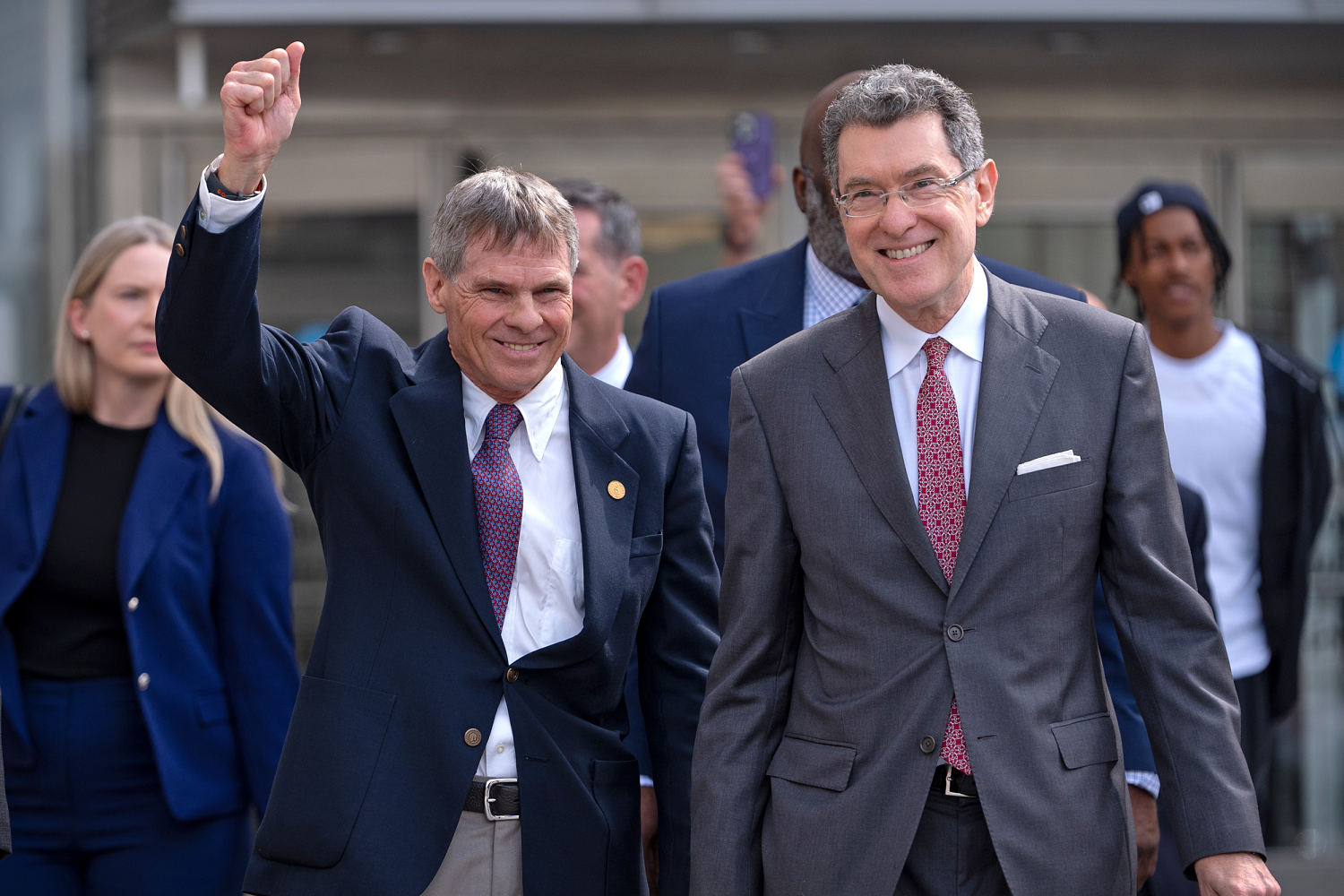
Enter David Hearn, a former Olympic canoe racer who was suddenly caught in the crosshairs of a federal indictment. Prosecutors claimed Hearn intentionally damaged the pool. Jeanine Pirro’s office trumpeted the charges publicly, leaning heavily into Trump's unsubstantiated vandalism narrative. There was just one massive problem: the evidence didn't exist. Courts eventually forced the DOJ to drop the case because the actual culprit was shoddy contracting work and rushing the job before July 4, not a malicious citizen carving up concrete with a razor blade. To understand the complete picture, we recommend the recent report by The Washington Post.
When legal teams representing the accused pushed for an independent probe into how federal prosecutors could bring such a flawed, fabricated case, they turned to the Justice Department's inspector general. The response? A flat refusal to investigate the prosecutors or the questionable grand jury testimony.
Why does this matter beyond Washington gossip? Because it highlights a dangerous disconnect in modern federal law enforcement. When prosecutors bend to political whims to back up a president's false claims, everyday citizens bear the brunt of that overreach. Hearn faced the terrifying weight of federal prosecution over peeling paint. Meanwhile, the contractors who actually pocketed millions of taxpayer dollars walked away without federal charges, and the prosecutors who brought a bogus indictment face zero internal consequences.
Legal experts point out that the inspector general's refusal leaves a massive accountability vacuum. While the Office of Professional Responsibility exists inside the DOJ, it answers to leadership and operates behind closed doors without reporting to Congress. The IG was supposed to be the independent check on that power. By declining to touch the Reflecting Pool fiasco, the watchdog has effectively signaled that political prosecutions driven by executive pressure are outside their scope of worry.
Trump has continued to insist that vandals ruined the pool, brushing off the contractor's errors and attacking prosecutors who backed down. That leaves the public stuck between official court records showing terrible engineering and political rhetoric doubling down on fiction.
If federal law enforcement can weaponize indictments to cover up structural incompetence on a national landmark, no one's safety is guaranteed. The refusal to investigate isn't just a bureaucratic sidestep. It’s an institutional endorsement of impunity.
Trump says Jeanine Pirro 'made a mistake' and 'choked' on Reflecting Pool vandalism case reversal
This video provides additional context regarding the fallout between political figures and federal prosecutors after the charges against David Hearn fell apart.