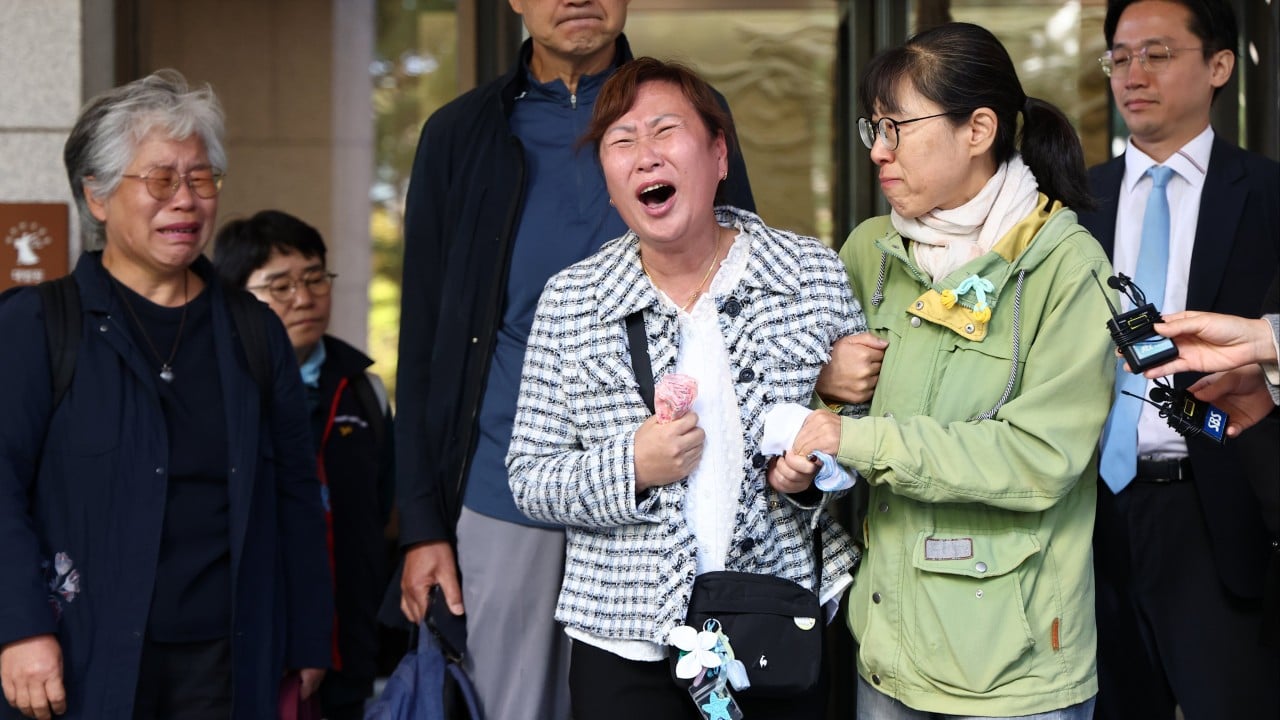
Twenty-three workers went to a lithium battery factory in Hwaseong to earn a living. They never came home. When South Korea's Supreme Court finalized a slashed four-year prison term for Aricell CEO Park Soon-kwan over the deadly 2024 plant fire, it didn't feel like justice. It felt like a glaring reminder that corporate impunity remains alive and well.
If you've followed industrial safety laws in East Asia, you know that South Korea introduced the Serious Accidents Punishment Act in 2022 to stop preventable workplace fatalities. When the district court originally handed Park a 15-year prison sentence—the heaviest ever under the law—people thought the tide was turning. But appellate courts and the final Supreme Court ruling clipped those wings, reducing his time behind bars to just four years and leaving grieving families stunned.
The Anatomy of a Avoidable Tragedy
On June 24, 2024, an Aricell plant in Hwaseong, roughly 45 kilometers south of Seoul, turned into an inferno. Lithium battery explosions triggered a massive blaze that claimed 23 lives and injured nine others. Among the dead were 17 Chinese nationals, one Lao national, and five South Koreans.
Investigations revealed a grim reality of corporate negligence. Aricell had rushed to meet military supply deadlines, utilizing temporary agency workers who received virtually no safety training on handling high-risk lithium materials. They didn't know how to respond to the initial sparks, and the factory layout lacked proper evacuation infrastructure to handle rapid chemical fires.
Yet, the legal battle slowly eroded accountability. While a lower court initially threw the book at the executives, the appellate court and final rulings rolled back crucial convictions. They acquitted the defendants on specific emergency exit installation charges, arguing that rigid technical definitions didn't mandate exits on every single floor under existing building codes.
Why the Four Year Sentence Triggered Public Fury
Four years in prison for twenty-three lost lives breaks down to roughly two months per human life. That math sits heavily on the public consciousness.
The backlash isn't just about the numbers; it's about who bore the brunt of the disaster. Seventeen of the victims were migrant workers. Families stood outside courtrooms holding portraits of their children, asking painful questions about whether nationality influenced the severity of the legal outcome. When victims are foreign nationals working precarious temporary jobs, systemic indifference often follows them to the grave.
Critics point out that corporate executives routinely benefit from legal technicalities, settlements with bereaved families, and sympathetic court interpretations. While Aricell as a corporate entity copped an 800 million won fine and Park's son received a seven-year sentence for professional negligence, the reduction from fifteen years to four for the chief executive feels like a slap on the wrist for mass corporate manslaughter.
The Broken Promise of Safety Laws
South Korea's flagship workplace safety legislation was supposed to make CEOs sweat. It was designed to pierce the corporate veil and hold top decision-makers personally liable for cutting corners on safety.
When penalties get slashed on appeal, it sends a dangerous signal to every factory owner in the country. It tells boardrooms that rushing production deadlines, skipping mandatory training, and ignoring hazardous materials will cost you a few years at most, rather than putting an absolute end to corporate recklessness.
True accountability requires more than symbolic laws passed after tragedies strike. It demands courts that refuse to hide behind narrow technicalities when human lives are lost to corporate greed. Until the legal system stops treating worker safety as an optional operational cost, disasters like the Aricell fire will keep happening.