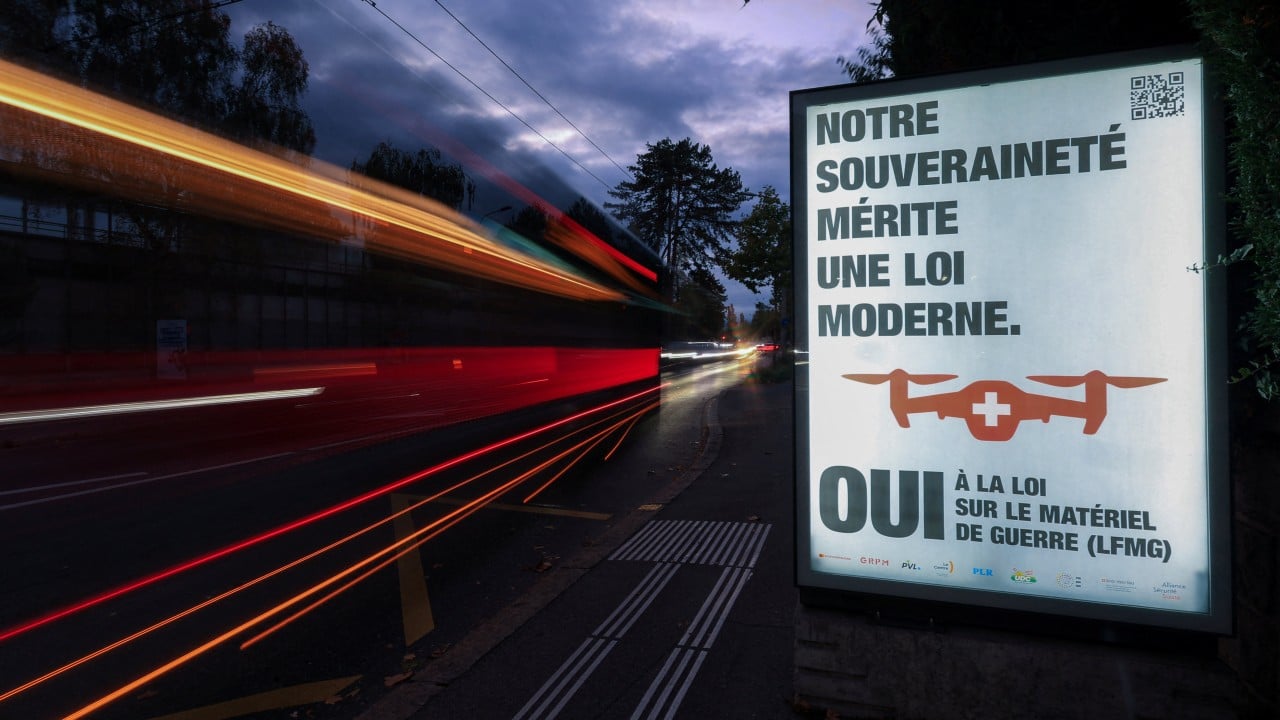
Swiss voters just approved a narrow shift in how the country exports weapons. On Sunday, November 29, 2026, roughly 54.3% of voters backed an amendment to the War Materiel Act that eases arms export rules for 36 Western partners. Honestly, it's a big deal for Swiss defense factories, yet it leaves plenty of people scratching their heads.
You might assume a vote to loosen weapons controls means Switzerland is suddenly arming Ukraine. Not even close. Direct and indirect transfers of Swiss-made weapons to Ukraine stay blocked under neutrality rules. What changed is Bern's ability to sell military gear to 36 Western countries—including EU members, the UK, Canada, Japan, and the US—even if those buyers are caught up in conflicts, without forcing every single re-export through a slow Swiss veto.
Let's be real. For years, strict Swiss export curbs created massive friction with European neighbors. After Russia's 2022 invasion of Ukraine, countries holding Swiss-made ammunition and air-defense gear asked Bern for permission to send that equipment to Kyiv. Switzerland said no. Buyers noticed, and orders took a hit.
How Easing Arms Export Rules Actually Works Now
Swiss politics moves at its own deliberate pace. Parliament passed the amendment to the War Materiel Act on December 19, 2025, after months of arguing over European security and domestic factory survival. Critics and NGOs collected enough signatures to force a nationwide referendum, turning a technical legal tweak into a referendum on Swiss identity.
Under the revised law, Bern still keeps oversight. According to Switzerland's State Secretariat for Economic Affairs, every export still needs government approval, and indirect transfers face limits. Still, buyers among the 36 approved Western nations won't have to ask Bern's permission for every possible re-export in every case, unless Switzerland asserts consent rights for neutrality or foreign policy reasons.
Here's the catch that surprises outsiders. Easing arms export rules doesn't erase neutrality law. The Federal Department of Foreign Affairs notes that neutrality still bars direct military support to parties in an armed conflict, and human rights obligations remain part of the legal check. Think of it as widening a narrow gate rather than tearing down the fence.
Why Defense Factories Pushed So Hard for Reform
If you've ever watched a specialized manufacturing sector lose export customers overnight, you know how fast trust erodes. Swiss arms exports dropped in 2023 and 2024 as foreign militaries looked for suppliers that wouldn't block ammunition during a crisis. Why buy air-defense rounds from a country that might freeze your stock when you need it most?
Then the numbers bounced back in 2025. According to data cited from the Stockholm International Peace Research Institute, Switzerland ranked 20th globally in arms exports from 2021 to 2025 with a 0.3% market share, while exports jumped 43% to 948.2 million Swiss francs (about $1.13 billion) in 2025, driven heavily by shipments of ammunition, armored vehicles, and spare parts to Germany.
- Factory capacity matters: Domestic defense firms need steady export volume to keep skilled engineers and production lines running between Swiss military orders.
- Major players are watching: Companies operating in Switzerland—including Germany's Rheinmetall, French group Thales, and small-arms maker SIG Sauer among more than 100 manufacturers—feel the sting of legal uncertainty.
- Self-defense links to supply: Supporters in Bern argue that a healthy domestic defense base keeps Switzerland's own armed forces better supplied and technically current.
Yet defense executives aren't popping champagne corks just yet. A 54.3% win in a Swiss referendum is a real majority, not a landslide. In direct democracy, narrow margins invite follow-up fights, administrative caution, and shifting political wind.
The Neutrality Tug-of-War Nobody Agrees On
Ask ten people in Zurich or Geneva what "neutrality" means today, and you'll get ten different answers. Historically, armed neutrality kept Switzerland out of Europe's worst wars and turned Geneva into a humanitarian hub. Over the last few years, though, war in Europe has forced an uncomfortable question: does refusing to let allies re-export defensive gear keep you neutral, or does it quietly help the aggressor?
Around 20 non-governmental organizations, including Amnesty International Switzerland, warned that the amendment weakens core safeguards meant to keep Swiss weapons out of active conflict zones. Opponents argue that easing rules for 36 Western states—several of which have military entanglements or security operations abroad—blurs the line between neutral trader and military supplier.
Meanwhile, the Swiss government and parliamentary backers say the opposite. They argue that European security has shifted permanently since 2022, and that keeping rigid, one-size-fits-all vetoes hurts both allies and Switzerland's own defense readiness. Interestingly, Swiss voters also rejected a separate push in September 2026 to impose stricter limits on neutrality, showing that most voters want pragmatism rather than isolation.
Still, tensions don't disappear on paper. Even as voters backed easier exports to Western partners on November 29, reports around the same period highlighted how fragile neutrality calls remain during wider geopolitical flare-ups. Neutrality isn't a static rulebook; it's a constant balancing act.
Common Misconceptions About This Vote
A lot of hot takes online got the basics wrong before the ballots were even counted. Let's clear up three myths that trip people up.
First, this vote does not open a pipeline to Ukraine. Critics who opposed the law pointed out that it doesn't authorize shipments to Kyiv, and supporters were upfront that neutrality rules still block direct or indirect transfers there. If you expected Swiss-made anti-aircraft munitions to head east tomorrow morning, you misread the bill.
Second, Switzerland isn't becoming a top global weapons superpower. Even with a big jump in 2025, Switzerland sits around 0.3% of global arms exports. Most of the value comes from specialized hardware, ammunition, components, and partner production—not massive fleet-scale exports like the United States or major European primes.
Third, government oversight hasn't vanished. Removing automatic re-export vetoes for 36 countries changes the friction points, not the entire regulatory system. Licenses, end-use checks, and neutrality assessments still apply.
What to Watch Next If You Track Defense or Swiss Policy
If you're following this for defense procurement, European security, or business risk, don't stop at the referendum headline. Watch how Bern turns statute into day-to-day licensing decisions.
- Check SECO licensing guidance: Look at how Switzerland's State Secretariat for Economic Affairs applies the amended War Materiel Act to re-export clauses and partner requests across the 36 listed countries.
- Track European procurement contracts: Watch whether EU militaries and defense primes start including Swiss subsystems again in joint orders now that re-export rules are less rigid.
- Read primary legal texts: Review the official Swiss government pages and the War Materiel Act on Swiss federal law portals alongside SIPRI Swiss arms export reports rather than relying on secondary summaries.
- Monitor future referendums: Keep an eye on Swiss ballot calendars, because direct democracy means any fresh dispute over neutrality or defense ties can quickly land back in front of voters.