When a returning soldier talks about sleepless nights, moral shock, or shattered peace of mind, who gets the spotlight? Usually the person holding the rifle, not the family buried under the rubble.
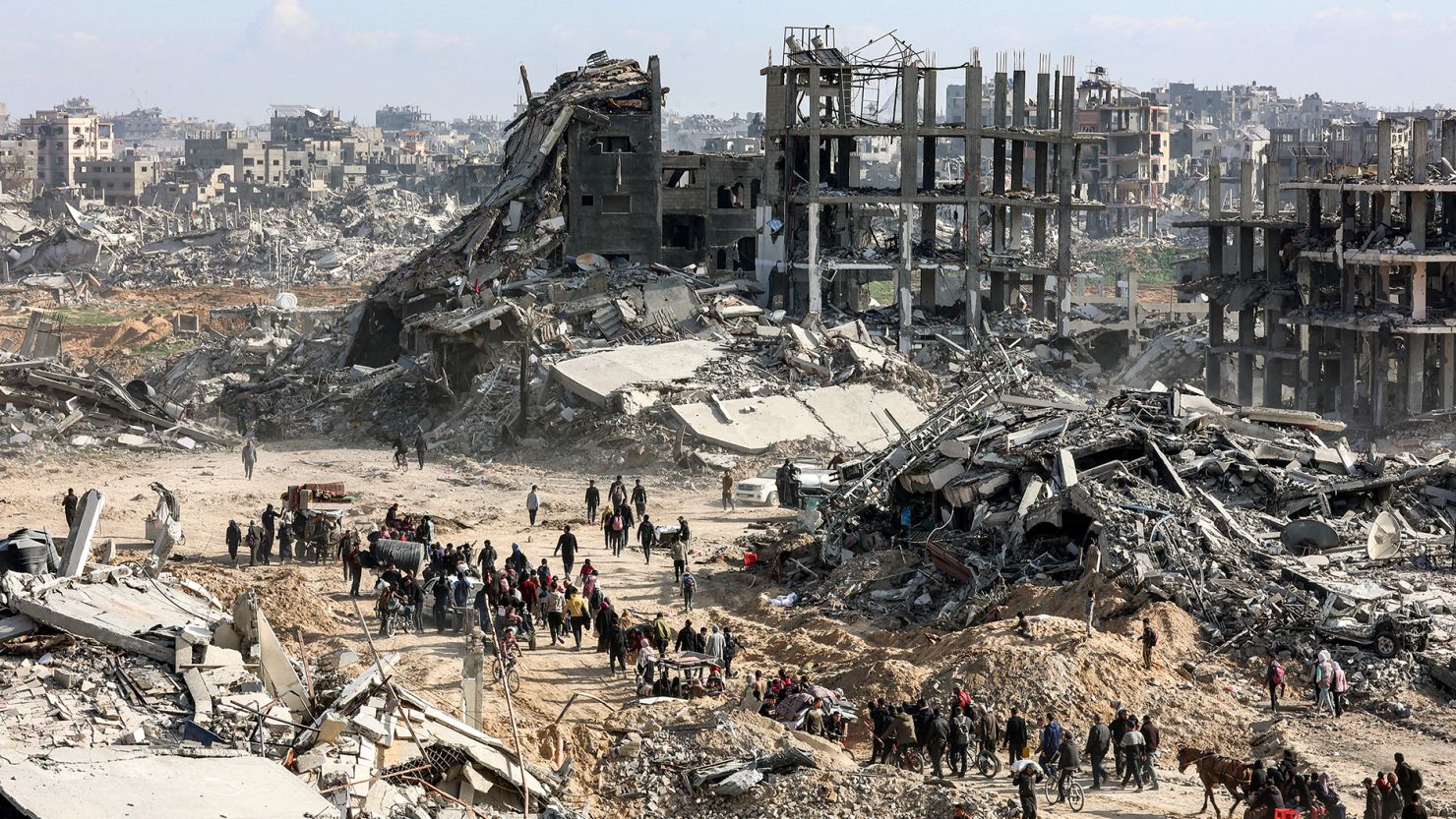
That imbalance sits at the heart of the debate around what critics and commentators call Gaza syndrome. In international reporting—including coverage from Al Jazeera and independent investigations—attention frequently centers on the psychological toll experienced by Israeli troops operating in Gaza. Meanwhile, the ongoing suffering of Palestinian civilians who survived bombardment, displacement, and loss often fades into the background or gets treated as a footnote.
Honestly, this asymmetry isn't an accident of coverage. It happens because dominant media frames, clinical categories, and political narratives reward empathy toward uniformed combatants while flattening civilian grief into abstract statistics. Understanding how Gaza syndrome functions in public debate requires looking at both sides of the psychological ledger without letting one crowd out the other.
How Trauma Framing Skews Public Memory
War stories rarely arrive on a level playing field. When soldiers speak openly about nightmares, guilt, or emotional numbness, audiences often see a relatable human arc: a young person sent into danger who came back changed. That narrative structure is familiar, emotionally immediate, and easy for distant readers to digest.
Palestinian trauma works differently in mainstream coverage. Instead of a single personal arc, it usually appears as a tally of displaced families, damaged clinics, or shelter shortages. Numbers matter—displacement rates, medical consultations, school closures—yet big numbers can numb readers rather than move them. When a soldier's anguish gets a close-up and a Palestinian family gets a headcount, erasure happens quietly.
There's also a deeper political tug-of-war over vocabulary. Researchers like Prof. Yossi Levi-Belz and Prof. Gadi Zerach have examined "moral injury" among Israeli soldiers—a concept describing distress when someone's actions or witnessed events clash with their moral code. Clinical research into moral injury tries to explain real psychological strain among fighters, with some estimates suggesting a large share of soldiers face moral-injury-related distress during intense urban warfare.
Critics push back hard on how that clinical label plays out politically. They argue that focusing heavily on the "moral injury" of armed actors can shift public sympathy toward those wielding military power and away from people subjected to overwhelming force. From that viewpoint, reframing perpetrators' distress as a central tragedy risks softening accountability for harm inflicted on civilians.
At the same time, ignoring soldiers' psychological breakdowns doesn't help anyone understand reality on the ground. Mental health workers and rehabilitation agencies in Israel have documented rising demand for psychiatric care among veterans, alongside family strain and suicide risks. Acknowledging that soldiers suffer real psychological harm is different from letting their pain monopolize the story or erase what they did to others.
Two Very Different Realities of Psychological Harm
Calling both experiences "trauma" can sound tidy, yet the conditions behind them aren't the same. One group experiences trauma within a military institution that provides medical pipelines, state recognition debates, and public advocacy. The other experiences trauma amid ongoing displacement, blockade conditions, and severely damaged healthcare infrastructure.
Mental health professionals working inside Gaza—including clinicians at the Gaza Community Mental Health Programme and humanitarian teams with Médecins Sans Frontières—have warned that standard post-traumatic stress models struggle to capture continuous, active danger. When people lose homes repeatedly, bury relatives, and live without reliable shelter or electricity, trauma isn't merely a past memory. It's an ongoing environment.
- Ongoing threat vs. post-deployment return: Soldiers typically process combat memories after rotating out or returning home, whereas civilians in active conflict zones often face new disruptions before old wounds even begin to settle.
- Institutional support vs. system collapse: Veterans have access to organized clinical networks and veteran advocacy, even when they fight for better benefits, while Gazan clinicians have operated under severe shortages of medicine, space, and basic supplies.
- Children's exposure: Reports from humanitarian and mental health practitioners highlight widespread sleep disruption, grief, and developmental stress among children who have lost parents, missed schooling, or lived through repeated displacement.
When coverage treats a combatant's inner conflict as the main tragedy of a war, civilian survival becomes background scenery.
That contrast helps explain why critics of Gaza syndrome get frustrated. It's not that they deny human psychology exists inside a uniform. It's that public empathy is a limited resource in media ecosystems, and spending almost all of it on one side distorts moral judgment.
What Standard Media Coverage Misses
Most coverage of conflict and trauma falls into two lazy traps. Trap one is pure partisanship: treating one side's pain as sacred and the other side's pain as propaganda. Trap two is false symmetry: acting as if an army with heavy firepower and a civilian population trapped in a small territory face comparable situations.
You can avoid both traps if you pay attention to power, agency, and context. A soldier makes choices inside a chain of command, even under pressure and fear. A displaced child in a makeshift tent isn't making military policy. Treating those positions as interchangeable confuses cause with effect.
Another blind spot is how fear shapes testimony. Soldiers who speak out—sometimes anonymously or through investigative outlets—often describe a clash between what they were told they were doing and what they saw or participated in. Meanwhile, Palestinian accounts frequently focus on survival, grief, lost livelihoods, and the weight of watching entire neighborhoods disappear. Reading both sets of testimonies side by side exposes how narrow any single-sided story is.
Let's be real: data on mental health in active or recently shattered conflict zones also has limits. Researchers face access barriers, shifting displacement numbers, and underreporting due to stigma or fear. Good readers don't treat every statistic as carved in stone, and they don't dismiss documented patterns just because the numbers aren't neat.
Practical Ways to Read War Trauma Critically
If you want to cut through slogans and read coverage of Gaza syndrome and war trauma with a sharper eye, start with a few concrete habits:
- Check who gets named and who gets counted. Notice whether stories give soldiers first-person interiority while reducing Palestinian civilians to totals or unnamed crowd descriptions.
- Separate psychological pain from moral exoneration. Someone can experience real distress, nightmares, or moral injury without that distress erasing harm done to civilians.
- Look for primary medical and human-rights reporting. Cross-check headlines against reports from established medical organizations, mental health practitioners, and human-rights monitors rather than relying on social media clips.
- Ask what happens after the headline fades. Pay attention to long-term displacement, healthcare access, and family stability—the parts of war that keep hurting long after breaking news moves on.
- Resist forced choices between basic facts. Recognizing a soldier's mental health crisis and documenting civilian suffering aren't mutually exclusive truths; honesty requires holding context straight so neither side's reality is erased.