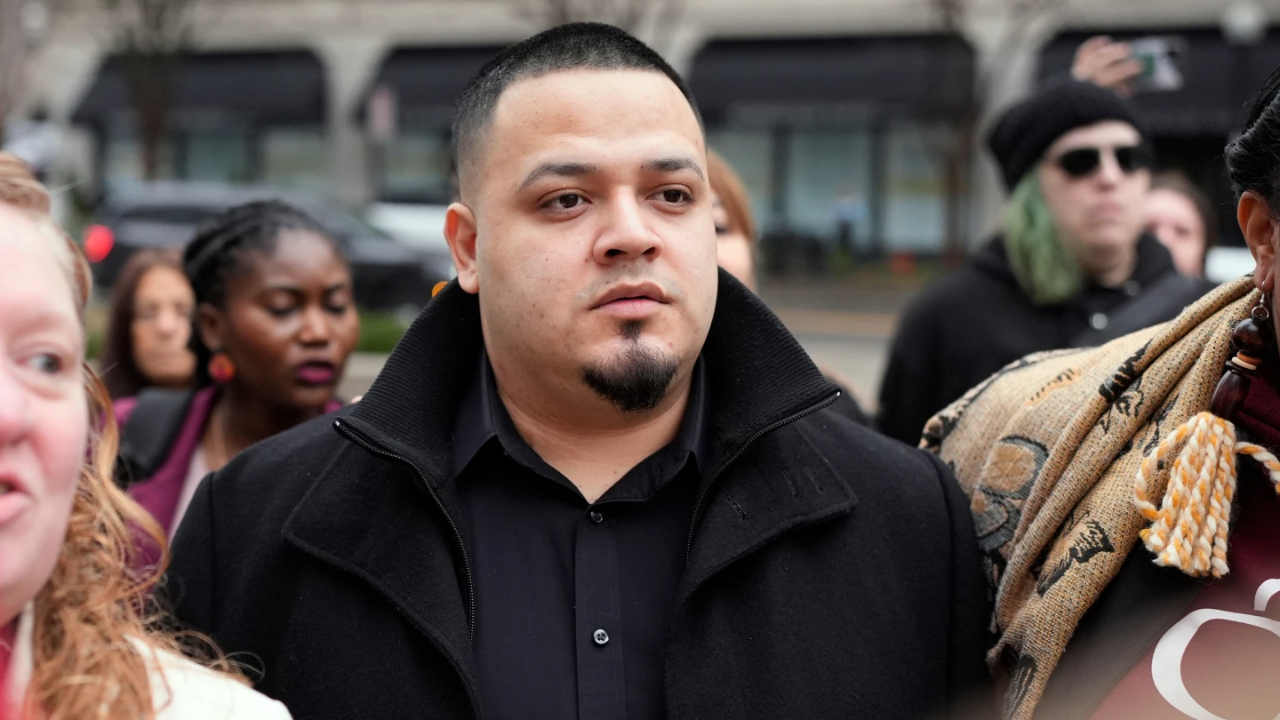
Nine years of exile. One date on the calendar.
Carles Puigdemont says he's coming home on December 12. He made the announcement on November 25 during a televised press conference in Brussels, just days before Spain's snap general election. For years, Puigdemont was the face of a fractured independence push that rattled Madrid and split Catalan households. Now he's talking about sleeping in his own bed with his family that very night.
Honestly, it's a wild turn. Not long ago, walking across the border meant cuffs and a courtroom. In October 2026, following a Constitutional Court decision, a judge lifted his arrest warrant. Then, just days before his Brussels announcement, Spain's Supreme Court applied the controversial amnesty law and closed the criminal case over alleged misuse of public funds tied to the failed 2017 independence bid.
http://googleusercontent.com/lmdx_content/hjtFYBRXZcFvGKazxFlVgZYQwIyXegImRIuELzsKICCOGXaeRNFBamfLLnQfNngQHMAovxJQlBbLlPbwCBOmkaGIAJfCWwoGxSQzDtuxXIQlmUBixYkfGFAyFsffdGJimAawECMuQXkbGtgGjPPDpDInQxJuNcHWVwwScWfPXbmoLFMNwNtlfrJ38778 To explore the complete picture, we recommend the recent report by USA Today.
What Actually Triggered This Return
People often treat exile announcements like theater. This one has real legal teeth behind it.
In 2024, Spain's parliament approved an amnesty bill born out of the high-stakes bargain that kept Prime Minister Pedro Sánchez's Socialists in power with backing from Catalan separatist parties, including Puigdemont's Junts per Catalunya. Conservative opponents fought it tooth and nail in parliament and in the courts. Still, the legal machinery moved forward. Once the Supreme Court shelved the criminal case in November 2026, the immediate threat of arrest on that file vanished.
Puigdemont didn't sound apologetic in Brussels. Quite the opposite. He told reporters he's returning without asking for forgiveness or permission, and without renouncing anything. He also pointed to the Parliament of Catalonia in Barcelona as the place where Catalan democracy elects or dismisses its presidents, marking December 16 for an address there and December 17 for a speech unveiling a proposal to update the independence strategy.
When you look at the timing, though, the timing isn't accidental. A snap general election lands right before his return date, and polls point to a possible parliamentary majority for a coalition of the conservative People's Party and far-right Vox. Both parties back a unified Spain, and People's Party leader Alberto Núñez Feijóo has pledged to repeal the amnesty law if his side takes charge.
Why Independence Politics Look Different Now
If you haven't watched Catalan politics closely since 2017, you might expect massive street rallies the moment Puigdemont steps off a plane or crosses the border. I wouldn't bet on a rerun of 2017.
Support for secession in Catalonia has cooled compared to the height of the crisis. Everyday voters are worried about much more immediate stuff—housing costs, crime, and immigration are pulling oxygen away from constitutional showdowns. Even within the separatist camp, old unity has frayed, and polling ahead of the late-November general election suggests Junts could lose national parliamentary seats.
Returning legally is one thing. Rebuilding a majority for independence in a skeptical region is a much harder climb.
That tension creates a sharp paradox for Puigdemont. Coming back after nearly a decade away gives him a physical stage in Barcelona that no livestream from Belgium can match. At the same time, he's walking into a political room where fewer people treat secession as an urgent priority. You can see reports from outlets like Reuters and Al Jazeera highlighting both his December 12 return date and the shifting mood among voters.
Common Misconceptions About His Comeback
A few myths keep popping up every time Puigdemont's name trends. Let's clear them up plainly.
- He is sneaking back across the border. Not this time. With the arrest warrant lifted in October and the Supreme Court applying amnesty to close the criminal case in November, his return is planned openly rather than covertly.
- Amnesty means everyone agrees it's settled. Not even close. Conservative leaders and critics view the amnesty as a political concession traded for parliamentary votes, and a right-wing government could try to roll back or challenge aspects of the political settlement.
- Catalonia is poised for another immediate declaration of independence. A speech on December 17 outlining a renewed push doesn't equal an instant breakaway. Without broad public backing or institutional control on those terms, proposals face steep hurdles.
What works in theory—a charismatic figure returning to rally the base—often hits friction in practice when voters prioritize pocketbook issues. Watching how Junts balances hardline rhetoric with everyday governing pressures will tell you far more than slogans.
What To Watch Next
If you're tracking Spain's political trajectory or researching European regional movements, don't stop at the headlines on December 12. Focus on concrete signals over the next few weeks:
- Check the snap election tally. Watch how the People's Party and Vox perform, and see how many seats Junts holds or loses in Madrid.
- Track the amnesty fallout. Pay attention to any post-election moves or legal arguments around the amnesty law if power shifts on the national stage.
- Read the December 17 speech closely. Look past big promises for concrete mechanisms, timelines, and alliances—or the lack of them.
- Watch Barcelona's street and parliamentary mood. Compare turnout, speeches at the Parliament of Catalonia, and local polling on housing, crime, and independence.
Political comebacks rarely erase the years that came before them. December will show whether Puigdemont's return is a new chapter for Catalan separatism or the closing act of an older one.