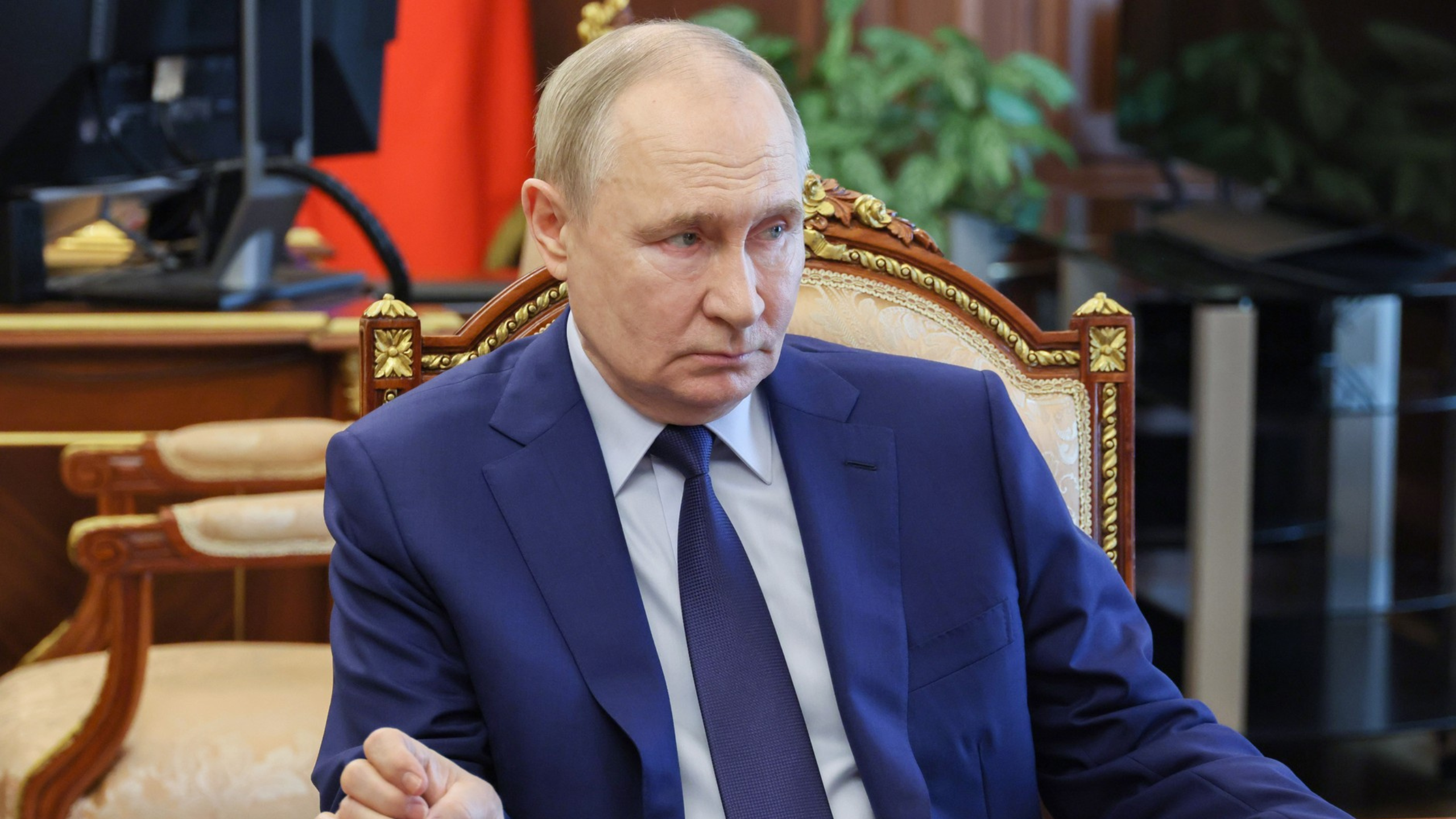
Diplomatic theater is back in full swing. Following a high-stakes meeting in St. Petersburg between Russian President Vladimir Putin and U.S. envoy Steve Witkoff, Moscow announced it's open to restarting three-way negotiations involving the United States, Ukraine, and Russia by mid-November.
Sounds like progress, right? Don't hold your breath.
If you look past the headlines about upcoming talks on postwar security architectures and joint economic projects, the fundamental demands from both sides remain entirely irreconcilable. Let's break down what's actually happening behind closed doors and why these upcoming November sessions are more about managing pressure than achieving a genuine peace breakthrough.
The St. Petersburg Meeting and the Witkoff Factor
U.S. envoy Steve Witkoff didn't just fly to Russia on a whim. His trip followed intensive consultations in Oslo with Ukrainian President Volodymyr Zelenskyy and various European leaders. The message he carried back to St. Petersburg focused heavily on mounting pressure from Washington to strike a deal, framed by threats of severe diplomatic fallout if Kyiv and Moscow refuse to compromise.
Kremlin aide Yuri Ushakov told reporters that Putin informed Witkoff of Russia's willingness in principle to resume trilateral negotiations after November 10. According to Moscow, the primary focus must be building a security framework for the region after the conflict ends.
Yet, past rounds in places like Abu Dhabi and Geneva yielded almost nothing outside of routine prisoner-of-war exchanges. Both sides are playing a strategic waiting game.
What Moscow and Kyiv Actually Want
You can't understand these talks without looking at the baseline demands.
Moscow wants structural guarantees that permanently lock Ukraine out of Western security umbrellas, alongside formal recognition of territorial realities. They're also dangling potential large-scale economic cooperation with the United States as leverage, hoping to peel Washington away from its total alignment with European defense stances.
Kyiv faces an entirely different pressure cooker. President Zelenskyy has made it clear that freezing the conflict on Russian terms is a non-starter, even as Washington leans hard on his administration to make painful concessions. At the same time, Ukraine is grappling with erratic early-warning intelligence sharing from allies regarding incoming missile strikes, leaving civilians vulnerable while politicians trade demands in luxury European and Russian venues.
Why Mid-November Will Likely Disappoint
Everyone loves a peace summit narrative. Markets react, diplomats get airtime, and weary populations grab onto a shred of hope.
The reality on the ground is brutal. Russian defense channels reported intercepting hundreds of drones over border regions and Crimea, while Russian strikes continue to inflict heavy civilian casualties across Ukrainian cities. A conference table in mid-November won't magically erase the blood, distrust, and incompatible sovereignty claims defining this war.
If you're tracking this conflict, watch the preliminary statements leading up to the November date rather than the photo-ops. If neither side shifts its red lines on territory and security guarantees, the upcoming talks will simply become another chapter in protracted wartime diplomacy.
Take a hard look at the incentives driving each player. Real peace requires actual compromise, and right now, nobody at the table is willing to give up what matters most.
Kremlin says 'ready' to resume 3-way talks with US and Ukraine mid-November
This video provides live news coverage detailing the Kremlin's announcement regarding the planned trilateral peace discussions in mid-November.
http://googleusercontent.com/youtube_content/1