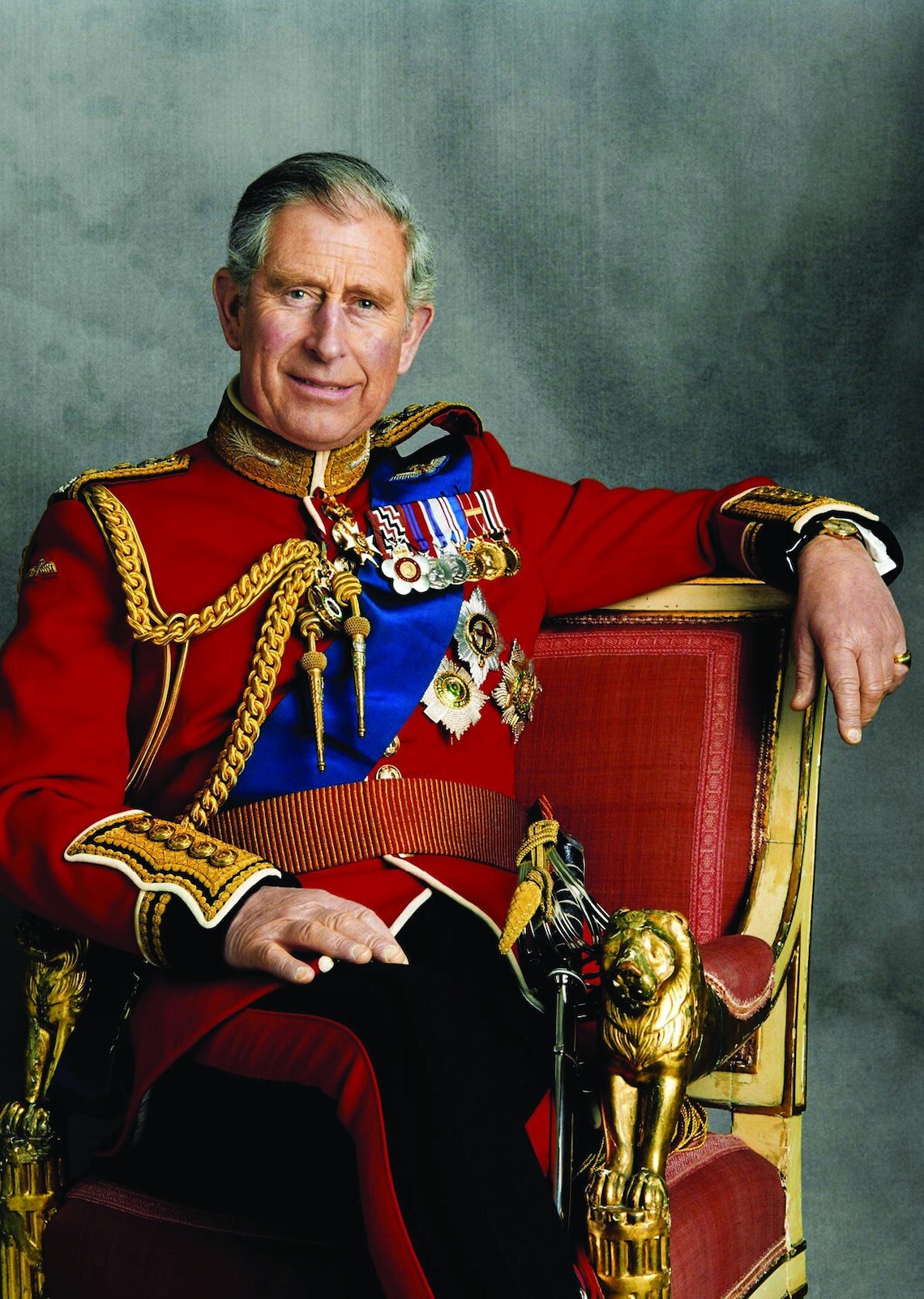
King Charles III stepped off his plane into the Bahamian heat this week, greeted not just by military salutes, but by chants of "Pay us what you owe us!"
It is his first official trip to the Bahamas as monarch, and it has turned into a high-stakes diplomatic pressure cooker. Across a nine-day tour spanning the Bahamas, Guyana, and Antigua and Barbuda, the British sovereign is running headfirst into an inescapable reality. The Caribbean isn't looking for polite expressions of royal regret anymore. They want an explicit apology and concrete financial restitution for the transatlantic slave trade.
Buckingham Palace insists that the monarch remains bound by constitutional convention. Ministers in London handle policy, and the UK government has repeatedly ruled out both an official apology and financial payouts. But that legalistic defense is wearing thin on the ground. When a head of state travels through former colonies that built modern British wealth through centuries of forced human labor, standing behind a constitutional shield doesn't defuse the tension. It amplifies it.
The Financial Ghost of 1833
To understand why these protests are getting louder, you have to look at the numbers Britain would rather ignore. When the British Parliament finally voted to abolish slavery across most of its empire in 1833, it didn't do so by prioritizing human liberation. It prioritized the balance sheets of slave owners.
The British government borrowed a staggering sum—equivalent to roughly seventeen billion pounds in modern money—to compensate wealthy plantation owners and investors for the "loss of property". Families across Britain spent generations paying off that public debt through taxes. Meanwhile, the millions of enslaved Africans who survived generations of unimaginable brutality received precisely zero.
That historic imbalance is the core engine driving modern legal and political battles. Groups like the Bahamas National Reparations Committee and regional bodies like CARICOM aren't asking for charity. They are demanding an audit of history. When Niambi Hall Campbell-Dean, chair of the Bahamas reparations committee, points out that statements of regret feel hollow without structural accountability, she is echoing a sentiment shared by legal scholars and civil leaders throughout the region.
Constitutional Boundaries Versus Moral Pressure
The royal family finds itself in an impossible bind. Modern monarchs have tried to soften the blow by offering rhetorical acknowledgments. Back in Barbados in 2021, and during subsequent trips to Kenya and recent Commonwealth gatherings, Charles has spoken openly about the most painful aspects of the past.
Yet words without institutional action look increasingly evasive. Other European nations have started shifting their posture. The Dutch king issued a formal apology for his country's role in the slave trade, setting a precedent that leaves the British Crown looking stubborn by comparison.
British officials argue that current generations shouldn't carry financial liability for centuries-old atrocities. Critics counter that the contemporary economic infrastructure of the UK—from banking to insurance—was heavily capitalized by the very trade routes that drained the Caribbean dry. Until London bridges that gap, royal tours of the region will continue to trigger protests rather than celebrations.
What Happens Next for the Commonwealth
This tour isn't happening in a vacuum. It leads directly into the Commonwealth Heads of Government Meeting, where leaders are actively forcing reparatory justice onto the primary agenda. Nations like Guyana are operating as republics while maintaining international ties, proving that the old model of empire is fading fast.
The pressure isn't going away when the King's flight lands back in London. Every time a royal visits the Caribbean without addressing the core demand for financial and systemic justice, the argument for cutting ties with the Crown grows stronger.
Stop viewing these protests as temporary disruptions. They are the opening chapters of a permanent reckoning over how global empires account for their past.