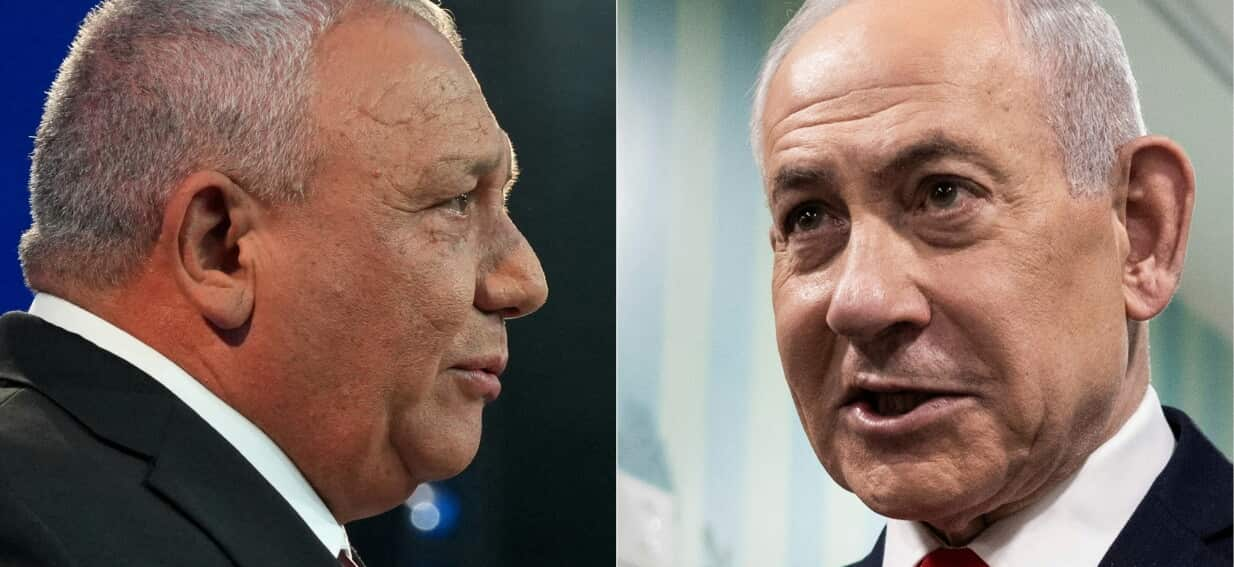
Israeli politics just hit another brick wall. President Isaac Herzog formally accepted certified results from the parliamentary election, leaving incumbent Prime Minister Benjamin Netanyahu's right-wing bloc with just 53 seats in the 120-member Knesset. That is a steep drop from past majorities, stripping the veteran leader of his working control.
Instead of a clear victory, the country faces a fragmented landscape where Gadi Eisenkot and his centrist allies control 48 seats, while Arab-led factions hold the remaining 19. With neither side securing an outright majority on its own, Herzog's upcoming decision on who gets the first mandate to build a coalition will dictate the immediate future of the nation.
The Math Behind the Knesset Deadlock
Elections rarely end cleanly in proportional representation systems, but this cycle exposed deep fractures. Netanyahu's traditional partners—including ultra-Orthodox factions and far-right figures—took a beating at the polls. The right-wing camp plummeted to 53 seats, far short of the 61 needed to govern.
On the other side, Eisenkot's newly formed Yashar party and allied opposition groups managed 48 seats. This leaves the 19 seats won by Arab-led parties as the ultimate wild card. If the anti-Netanyahu bloc coordinates with these factions, an alternative coalition could theoretically clear 67 seats. Building that bridge, however, remains politically explosive and logistically messy.
Accusations and Integrity Disputes
The aftermath hasn't been quiet. Netanyahu and his allies threw accusations of widespread voting irregularities, pointing fingers at Arab-led political lists and claiming foreign interference or bribery influenced the outcome.
The Central Elections Committee reviewed thousands of polling stations following the complaints and found zero evidence of systematic fraud that altered the results. Attorney General Gali Baharav-Miara also pushed back against demands for broad criminal probes into elected officials without solid proof. Herzog stepped into the fray to condemn racist rhetoric directed at Arab citizens, insisting that the democratic process must be respected even when politicians dislike the tally.
What Happens Next
Herzog is holding rounds of consultations with all eight parliamentary parties to weigh options. Customarily, the president grants a designated leader 28 days to forge a stable coalition, with a possible two-week extension.
Eisenkot has picked up crucial recommendations, including backing from the United Arab List (Ra'am), putting pressure on the establishment. If Netanyahu fails to corral enough defectors or construct a workable arrangement, or if Eisenkot cannot stitch together a functional unity government, Israel risks being dragged back to the polls for yet another round of expensive, fatiguing elections.
The era of easy coalition building is over. Netanyahu is fighting for political survival, and the opposition smells blood, but the arithmetic inside the Knesset guarantees that governing will be an uphill battle for whoever takes the mandate.


