Israel is moving to seek the death penalty against a Palestinian suspect accused of killing a settler. That headline alone makes people stop and stare.
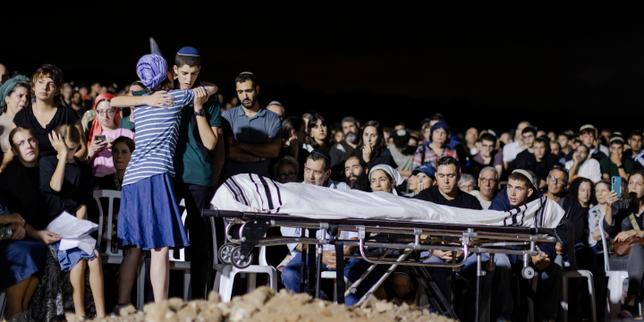
For decades, capital punishment in Israel existed mostly on paper. The country carried out executions only twice in its history, once in 1948 after a high-treason conviction of an army captain and again in 1962 when Nazi war criminal Adolf Eichmann was hanged. Now, following legislation passed in spring 2026, military prosecutors are preparing the first indictment seeking capital punishment under the new statute after the fatal shooting of Franco-Israeli settler Netanel Choukroun in mid-September in the occupied West Bank.
If you follow Middle East politics closely, you probably know how explosive this moment is. Still, a lot of coverage treats this move like just another harsh security measure. Honestly, it goes much deeper than that. It tests Israel's legal traditions, widens the divide between military and civil courts, and puts diplomatic ties with Europe under fresh strain.
What Changed When Israel Passed the Death Penalty Law
To understand why prosecutors are making this move now, you have to look back to late March 2026. That was when the Knesset passed the law on the death penalty for terrorists in its third reading, backed by Prime Minister Benjamin Netanyahu and pushed heavily by far-right figures including outgoing National Security Minister Itamar Ben Gvir.
On paper, the law creates a mandatory death sentence in covered cases unless a military court imposes life imprisonment for special reasons. It also sets tight timelines for carrying out a sentence after a final ruling, with limited room for delay.
Here is what surprises most readers when they dig into the details. The law wasn't written as a neutral, one-size-fits-all rule applied identically across every courtroom. Critics, legal watchdogs, and opposition lawmakers warned during the Knesset debate that the measure was crafted around deadly attacks against Israelis and targets Palestinians in practice. Even some Israeli lawmakers opposed it on moral grounds, arguing that vengeance erodes the state's own values.
Supporters see things completely differently. From their perspective, extreme violence demands extreme deterrence, especially after years of bloodshed since the October 7, 2023 Hamas attack. To them, long prison terms haven't stopped lethal attacks, so the justice system needs teeth that match the gravity of fatal violence.
Why This First Indictment in the West Bank Matters So Much
Seeking capital punishment in a single case doesn't automatically mean an execution happens tomorrow. Trials move slowly. Appeals take time. Military judges still have discretion to issue life sentences when special reasons apply.
Yet the symbolic and legal weight of filing the very first indictment under the law is huge. A prosecutor doesn't ask for death lightly in a country that hasn't executed anyone since 1962. Once a legal system crosses that threshold in practice, going back gets much harder.
Look at the broader West Bank context cited in international reporting around the case. According to the UN humanitarian affairs office, around fifty Israelis, both civilians and security personnel, have been killed in the West Bank since October 7, 2023, while more than 1,100 Palestinians have been killed by Israeli forces or settlers over that same period. Independent human rights groups have long pointed out that Palestinians in military courts routinely face severe sentences, whereas civil proceedings involving Israelis tend to be far more lenient.
That contrast is why this indictment isn't just a courtroom story. It lands right on top of a legal system already accused by critics of unequal treatment.
A Two-Track Justice System Under Scrutiny
If you haven't spent time reading military court reports from the West Bank, it's easy to assume criminal justice works roughly the same way everywhere. It doesn't.
In the West Bank, Palestinians accused of security offenses go through military courts with rules, charges, and sentencing patterns that look very different from civilian criminal trials. Meanwhile, Israeli settlers face civilian legal channels, and advocacy groups like Amnesty International have repeatedly documented wide disparities in accountability and outcomes.
Adding a law that pushes for capital punishment inside that environment raises sharp questions about fairness and due process. When stakes are irreversible, small flaws in evidence, interrogation, or representation stop being minor procedural quirks. They become life-or-death problems.
International Pushback and Legal Friction
You can already feel the diplomatic shockwaves building. Several European governments have criticized the push toward capital punishment, warning that it clashes with democratic norms and human rights commitments. Organizations such as the World Coalition Against the Death Penalty condemned the 2026 legislation outright, arguing it creates a discriminatory legal track and conflicts with international law governing occupying powers.
International legal scholars and human rights bodies often highlight two main arguments here:
- Non-discrimination under international law: Critics argue that laws or prosecutorial practices that fall unevenly on a protected or occupied population violate core rules of equal treatment.
- Irreversibility and trial standards: Opponents of capital punishment stress that execution leaves zero room to fix a wrongful conviction later, especially in high-tension conflict zones.
At the same time, Israeli officials defending the policy argue that a sovereign state has a duty to protect its citizens from lethal attacks and punish mass or fatal violence with maximum severity. That clash between national security deterrence and international human rights standards isn't going away anytime soon.
Common Misconceptions About Israel and Capital Punishment
Whenever headlines like this break, a few myths pop up fast. Let's clear them up plainly.
- Myth 1: Israel had completely abolished the death penalty before 2026. Not quite. Capital punishment remained on the books for narrow categories such as treason and Nazi crimes, though executions had not taken place since 1962.
- Myth 2: A prosecutor requesting the death penalty guarantees an execution. False. An indictment starts a legal process. Courts must weigh evidence, legal arguments, potential special reasons for life imprisonment, and any appeals.
- Myth 3: This is purely a routine local crime story. No chance. Because Netanel Choukroun was Franco-Israeli and the case tests a brand-new, contested statute, it carries immediate diplomatic and legal weight abroad as well as at home.
Practical Ways to Follow This Story Without Getting Lost
If you want to track how this case and the underlying law play out over the coming months, don't rely on single-sentence social media posts. They almost always flatten complex legal steps into slogans.
- Watch the actual charging and court milestones: Pay attention to the exact charges filed by the military prosecution, any motions challenging the constitutionality or scope of the law, and whether judges address "special reasons" for alternative sentencing.
- Read multiple perspectives side by side: Compare reporting from major international outlets like Le Monde alongside legal commentary, Israeli news coverage, and human rights monitoring reports to see where facts align and where interpretations diverge.
- Separate rhetoric from legal reality: Politicians love bold promises during debates and campaigns. Courts care about admissible evidence, statutory wording, and procedural rules. Keep your eye on what happens inside the courtroom, not just what gets said outside it.
Le Monde report on Israel seeking the death penalty
This video adds relevant context by covering the parliamentary adoption of Israel's death penalty law targeting Palestinians and the broader debate around its legal and political impact.