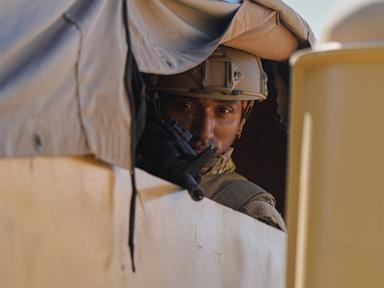
Haiti's security crisis rarely offers moments of unexpected diplomacy, but recent developments have shifted the conversation surrounding armed factions and state entities. When powerful urban factions initiate contact with state disarmament structures amidst relentless gunfights, it forces a hard look at how authorities handle endemic violence. You cannot simply view this through the lens of a standard law enforcement sweep. It is a complex survival calculation happening on the ground in Port-au-Prince and surrounding regions.
Understanding the Real Drivers Behind Gang Outreach
The dynamic between armed coalitions like Viv Ansanm and state-backed stabilization initiatives is messy. Decades of institutional instability have left a massive power vacuum. When gangs reach out to official or semi-official disarmament groups while active gunfights persist, it usually signals a strategic pivot rather than a sudden change of heart.
Let's be clear about what is happening. Armed groups control roughly eighty-five percent of the capital, running protection rackets, kidnapping networks, and territorial blockades. Yet, the arrival of international security backing—such as the UN-supported Gang Suppression Force and specialized police resources—has squeezed supply lines and raised the cost of continuous warfare.
When faction leaders test the waters with disarmament bodies, they are often trying to negotiate terms from a position of localized strength. They want recognition, immunity, or financial integration into community violence reduction programs. History shows that previous disarmament efforts in Haiti faltered because they lacked economic alternatives for combatants. Without sustainable employment or real security guarantees, fighters quickly return to the streets.
The Problem with Quick-Fix Disarmament
If you look at past attempts to strip gangs of their heavy weaponry, a clear pattern emerges. Officials announce a high-profile commission, a few low-level members turn in rusted firearms, and politicians declare victory. Meanwhile, the high-caliber rifles smuggled via illicit maritime and land routes remain untouched.
Real disarmament requires dismantling the financial pipelines that keep these groups operational. Weapons aren't manufactured locally; they flow in from foreign markets, heavily sustained by corruption and weak border inspections. Until state oversight plugs those leaks, any outreach from a gang leader must be met with extreme skepticism.
- Territorial Control: Factions use temporary truces to regroup after heavy clashes with security forces.
- Political Leverage: Engaging with disarmament boards gives criminal leaders a seat at the table they haven't earned through democratic means.
- Socio-Economic Survival: Many young members see gang life as the only viable economic engine in neighborhoods where public services have completely collapsed.
What Needs to Happen Next
Ignoring these back-channel communications is dangerous, but accepting them at face value is fatal. Haitian authorities and international partners must demand verifiable, irreversible actions rather than empty gestures. Every dialogue window needs strict conditionality: immediate cessation of hostilities, unhindered humanitarian access to besieged neighborhoods, and the unconditional surrender of heavy armaments.
The crisis won't resolve itself through combat operations alone, nor will it vanish via backroom deals with warlords. True stability demands rebuilding public trust from the ground up, protecting vulnerable civilians, and cutting off the illicit arms trade once and for all. Keep your eyes on how authorities handle these overtures in the coming weeks. That response will dictate the trajectory of Haiti's security for years.