Speed sounds great in theory. Governments want results. Bureaucrats want to look decisive. So they bypass the tedious grind of public consultation and push infrastructure projects through on a fast track.
Then reality hits.
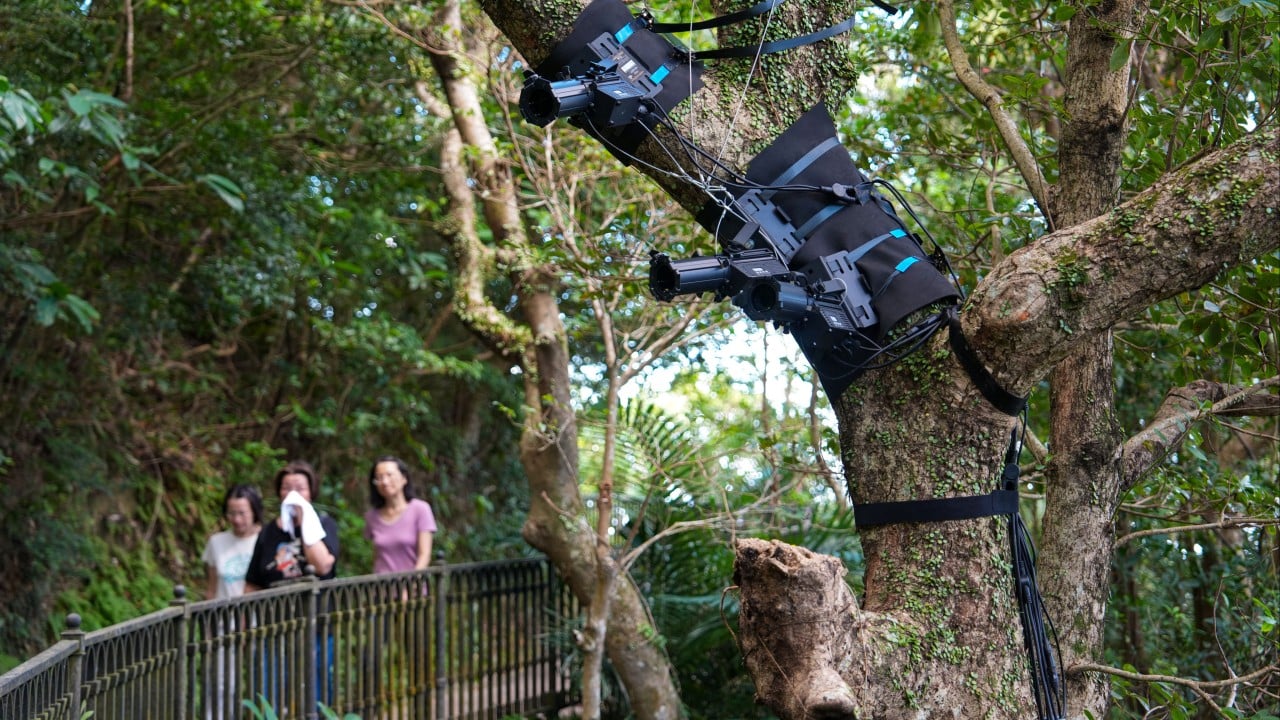
Look at what just happened on Victoria Peak. A well-intentioned tourism light and shadow project rolled out with high hopes, only to trigger an immediate public outcry over clumsy metal stands, intrusive ground fixtures, and a disregard for one of the city's most cherished public spaces. Two projector stands had to be hastily hauled away after a frantic site visit by officials, lawmakers, and district councillors.
It is a familiar script. When leaders rush to deliver quick wins, they skip the messy part of governing: actually listening to the people who live there.
The Illusion of Efficiency in Modern Policymaking
Speed is not the same as competence. In the rush to modernise urban attractions or boost visitor numbers, administrators often treat public feedback as an annoying speed bump rather than an essential engineering check.
When you sideline stakeholders, you lose crucial local context. You get metal infrastructure dropped into pristine environments without anyone asking whether it fits the landscape. You get complaints flooding in overnight. Then you waste more time, money, and political capital backtracking to fix blunders that could have been avoided with a simple five-minute conversation before ordering the equipment.
Fast-track governance trades long-term stability for short-term headlines. Officials love breaking ground because it looks like action. But true leadership means having the patience to vet ideas thoroughly.
What Happens When You Skip the Consultation Phase
The backlash on the Peak is not just about a few misplaced light fixtures. It exposes a deeper disconnect between policymakers and the public.
When projects bypass rigorous scrutiny:
- Small oversights snowball into major public relations disasters.
- Residents feel ignored, fueling cynicism toward administrative initiatives.
- Resources get wasted on hasty installations, removals, and redesigns.
You cannot engineer community buy-in after the fact. Patching things up with a sudden site inspection and pulling down a couple of projector stands doesn't fix the underlying flaw in the process. It just confirms that the original decision was made in an ivory tower.
Fixing the Broken Feedback Loop
If leaders want to avoid these embarrassing U-turns, they need to stop treating community consultation as optional box-ticking.
Real engagement means showing plans to residents, hikers, and local businesses before trucks roll up the mountain. It means accepting that criticism early on is far cheaper and less damaging than a public outcry later.
Efficiency isn't about how fast you can build something. It is about building the right thing the first time. Until policymakers learn that lesson, expect more unnecessary battles over projects that solve problems nobody asked them to touch.