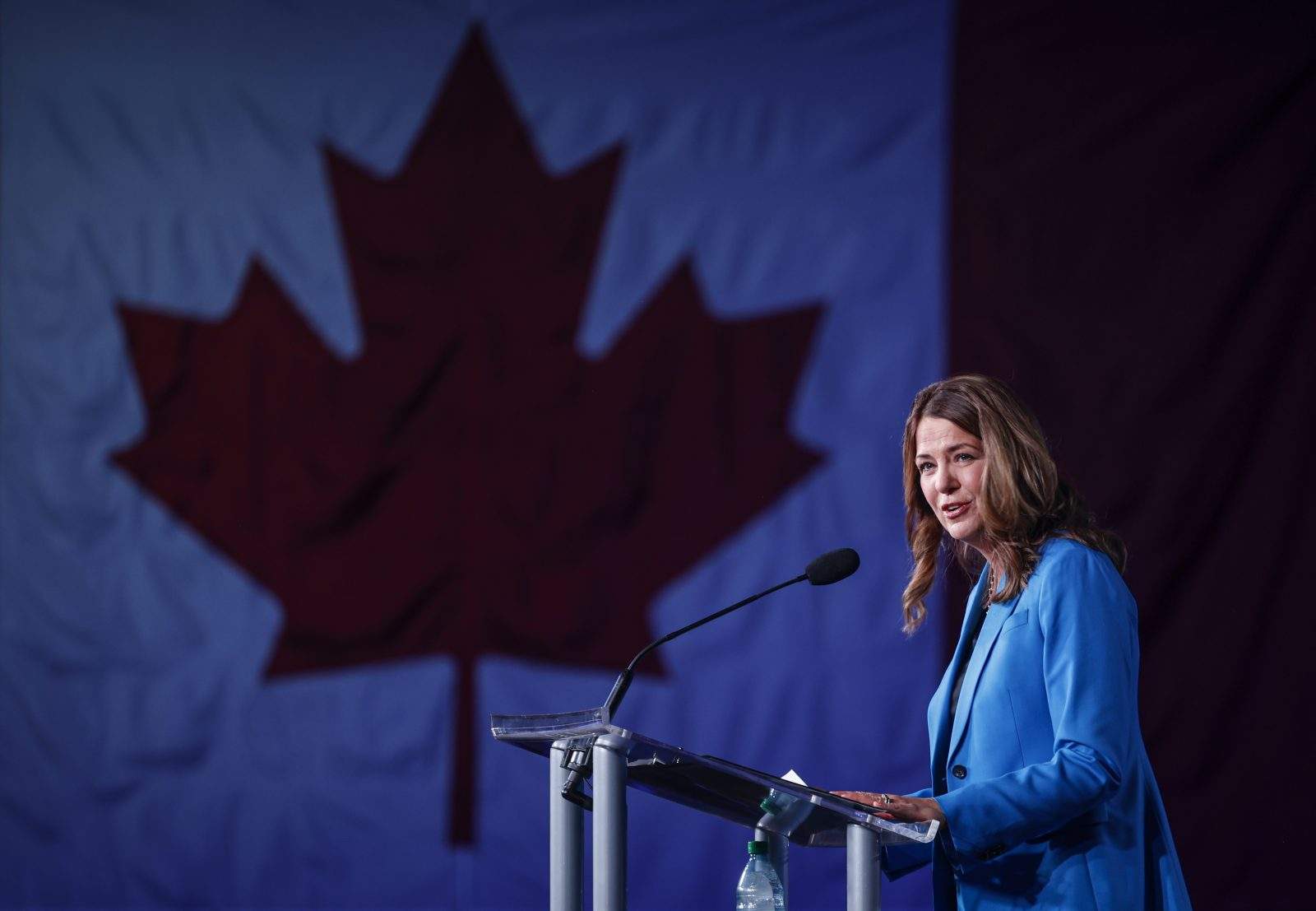
Boos cutting straight through applause isn't the warm send-off any party leader wants heading into an election year. Yet that's exactly what Alberta Premier Danielle Smith ran into when she took the stage in Calgary on November 28, 2026, asking roughly 8,500 United Conservative Party members to set aside their grievances and pull together.
If you're trying to figure out why a pre-election unity plea from a sitting premier triggers pushback inside her own hall, look at what happened just weeks earlier. In October 2026, an overwhelming majority of Albertans voted to stay in Canada during a provincial separation referendum. For mainstream conservatives, that vote settled a painful question. For hardline separatists inside the UCP base, it felt like a loss they weren't ready to swallow—and some walked the convention floor carrying yellow placards reading "Smith must go or I won't vote."
The real story isn't just that a few delegates groaned. It's the structural fault line inside modern right-wing coalitions when a fringe movement gets oxygen, hits a wall at the ballot box, and suddenly gets told to pipe down for the sake of winning the next general election.
What Sparked the Pushback at the Calgary Convention
To understand the tension in Calgary, you have to look at how big-tent conservative parties work—and where they snap. Smith has spent years balancing pragmatic fiscal and provincial-rights arguments with appeals to the party's most restless activists. After October's referendum went decisively against separation, she drew a line: party spokespeople have to respect the result, though rank-and-file members can still hold their own personal views.
On stage Saturday, she went further. She told the crowd the party can't afford a year of internal division and endless debates over separation, adding that nobody faces an ideological purity test over how they voted in the referendum. Later that afternoon, she argued that winning comes down to whether a party focuses on what members agree on or what divides them, insisting the sole mission until the job is done is defeating the NDP in next year's provincial election.
Honestly, her math makes sense on paper. When an election looms, infighting burns donors, volunteers, and swing voters. Bringing in allied voices—like Saskatchewan Premier Scott Moe and British Columbia Premier Lorne Doerkson, who spoke on Friday evening urging unity and framing things around a broader western Canadian conservative movement—was meant to project momentum and regional strength.
Still, telling passionate activists to move on right after a high-stakes vote rarely works like flipping a switch. When a faction invests months of energy into a cause and loses badly, hearing "let's focus on unity" can sound less like leadership and more like a brush-off.
Why Pre-Election Unity Pleas Often Backfire on Party Leaders
Having watched plenty of party conventions and campaign war rooms up close, I've noticed a pattern. Leaders almost always reach for the unity speech when the math gets tight. Sometimes it works. Often, it exposes divisions that were already simmering underneath.
Here's what usually trips up a pre-election unity plea in practice:
- Treating symptoms instead of incentives: Asking activists to stop arguing doesn't change what motivated them to join or donate in the first place. If separatist-minded members feel their core priority has been shelved permanently, a speech won't replace that drive.
- Overestimating discipline at the grassroots: Even if Smith's leadership isn't up for review at this gathering and party spokespeople stay on message, thousands of local volunteers and online voices don't follow a script. Eight provincial board seats up for election over the weekend also give factions a concrete way to test their clout behind closed doors.
- Confusing internal peace with broad electability: Sometimes a party compromises so hard to keep angry insiders quiet that it alienates moderate voters in cities like Calgary and Edmonton. Other times, pushing too hard against the base depresses turnout in rural ridings. Neither mistake is cheap.
A common misconception in politics is that a noisy convention floor automatically means a party is doomed. Not necessarily. Conventions attract the loudest, most invested true believers—people who care enough to show up, buy a pass, and wave a sign. Regular voters watching from home often care far more about cost of living, health care access, jobs, and stability than about procedural drama inside a convention hall.
Yet ignoring those floor signals is a rookie mistake too. When delegates openly threaten to stay home on election day unless the leader leaves, that's a real warning light on turnout. In tight provincial races, base enthusiasm isn't optional. You need your core supporters knocking doors in cold weather, not sitting on their hands.
Reading the Road Ahead to Next Year's Vote
Smith's pitch rests on a simple contrast: whatever disagreements exist inside the UCP pale next to the stakes of facing the NDP in next year's election. She framed the coming stretch around finishing the job and treating election victory as the only thing that matters right now.
That argument has real weight with conservatives who view the NDP as a bigger threat than any internal faction. It also aligns with the broader push from regional allies like Moe and Doerkson to keep conservative coalitions focused and coordinated across Western Canada. You can see how Smith is trying to pivot from a bruising constitutional side-show back to familiar ballot-box territory: governing, provincial autonomy, and keeping the opposition out.
At the same time, the data point that matters most isn't a cheer or a jeer in a ballroom. It's whether the October referendum settled the separation question in voters' minds while leaving a bitter hangover among a slice of the UCP membership. If those disgruntled voices stay loud over the next several months, every policy announcement or campaign stop risk getting pulled back into old arguments instead of forward-looking ones.
What actually works when a coalition hits this kind of bump? Clarity without lecturing. Voters and party members alike tend to respect leaders who state the boundary plainly—the referendum happened, the result stands, and here's how we govern—while giving people practical reasons to care about the next election beyond pure fear of the other side.
Practical Next Steps for Tracking What Happens Next
If you're following Alberta politics heading into next year's election—whether you're a voter, an organizer, or just someone trying to cut through the noise—don't get hung up on single moments of applause or boos. Watch what happens over the next few weeks instead:
- Check the board election results and committee shifts: Look at who wins the eight provincial board positions and how influential party roles shake out. Organizational power tells you far more than floor speeches about who actually runs the machine.
- Track volunteer energy and fundraising: Pay attention to local riding associations in both urban battlegrounds and rural strongholds. Real unity shows up in canvass lists and donations, not slogans.
- Watch how Smith talks about the referendum going forward: See whether she treats October's vote as closed business and pivots straight to everyday pocketbook and service issues, or gets dragged back into defending her standing with hardliners.
- Compare internal party noise against broader public polling: Keep separate scorecards. A tense convention doesn't always mirror how everyday Albertans feel about the province's direction or who they trust to run the government.