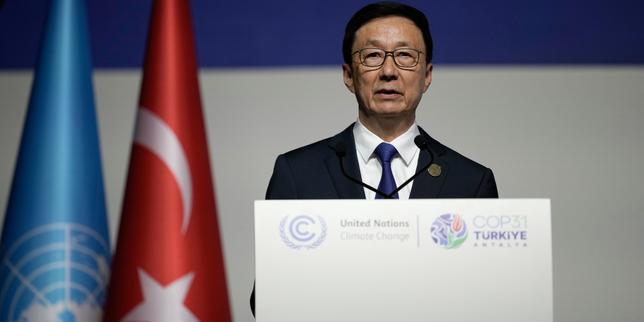
Every time world leaders gather for another climate summit, the math gets uglier. As delegations unpack in Antalya for COP31, the central argument isn't about whether the planet is warming—everyone with a functioning thermometer and a basic internet connection knows it is. The real fight is over the checkbook. Specifically, who has to clear the balance for a crisis they mostly didn't create?
For decades, wealthy nations built their economies on cheap coal, oil, and gas. They pumped billions of tons of carbon into the atmosphere, grew wealthy, and left the invoice for later generations. Now, later is here. Developing nations are staring down rising seas, relentless droughts, and shattered infrastructure while being told they need to finance their own green transitions. It’s a bit like burning down your neighbor’s house and then handing them the hardware store receipt for the smoke detectors.
The Broken Promise of Climate Finance
Back at COP29 in Baku, officials cheered a headline target of mobilizing 300 billion dollars a year by 2035. It sounded impressive in a press release. But look closer at how that money actually moves, and the optimism evaporates. Public climate finance pledges have dropped sharply, and a massive chunk of what wealthy governments label as "climate aid" arrives wrapped as high-interest loans rather than direct grants.
Let's be honest about what happens next. A country already drowning in external debt gets a climate loan, builds a solar grid, and then has to borrow more money just to pay off the interest to foreign creditors. That isn't climate solidarity. That's a predatory business model disguised as philanthropy.
Developing countries, particularly across sub-Saharan Africa and the small island developing states (SIDS), are caught in an impossible squeeze. They hold enormous renewable energy potential, yet they attract a fraction of global investments because private capital thinks emerging markets are too risky. Meanwhile, domestic public budgets in Western capitals are tightening under the pressure of defense spending and domestic economic anxiety. Everyone wants a green future until it's time to reallocate the national budget.
Where the Money Should Actually Come From
If traditional public aid flows are drying up and loans are making the debt crisis worse, we need to look at structural fixes that don't rely on the charity of cash-strapped parliaments.
Several innovative public finance mechanisms have moved past the fringe and into serious economic debate:
- Levies on extreme wealth and high-net-worth individuals who carry a disproportionate carbon footprint.
- Targeted taxes on fossil fuel corporate profits and windfall earnings.
- Premium air travel and private aviation levies that tax luxury emissions directly.
When people talk about polluter-pays principles, they usually mean forcing governments to apologize. What it should mean is making the entities that profited the most from extraction pay for the cleanup. If you fly private or rake in record oil revenues while global temperatures break records every month, your balance sheet should fund the seawall in Bangladesh or the drought relief in East Africa.
Shifting From Pledges to Execution
The era of making grand declarations that nobody intends to audit is over. When disaster strikes—like the catastrophic floods that hit Nepal or communities losing their land in South Asia—the response from international loss and damage funds is painfully slow and mathematically negligible compared to the actual destruction.
We don't need another round of vague political commitments. We need transparent, multi-year funding pathways that deliver predictable grants directly to vulnerable communities. Wealthy nations must stop treating climate finance as foreign policy pocket change and start treating it as an enforceable debt.
The bill is already due. The only question left is whether we let the most vulnerable pay it alone until there's nothing left to take.