The narrative coming out of Washington right now is simple, clean, and entirely misleading. When American leadership steps up to the microphones to declare that Gulf neighbours are begging for restraint, it masks a much more complicated ground reality. You see, a temporary pause in direct bombardment doesn't mean peace has arrived in the Middle East. It just means the conflict has morphed into a slower, more expensive kind of economic strangulation that local capitals have to manage every single day.
If you look past the headlines about presidential interviews and White House briefings, the actual friction points remain entirely unresolved. Saudi Arabia, Qatar, the United Arab Emirates, and Kuwait aren't just advocating for quiet out of a desire for regional harmony; they are trying to keep their own infrastructure from absorbing the collateral damage of a war that refuses to actually finish.
Why a Pause Is Not an Ending
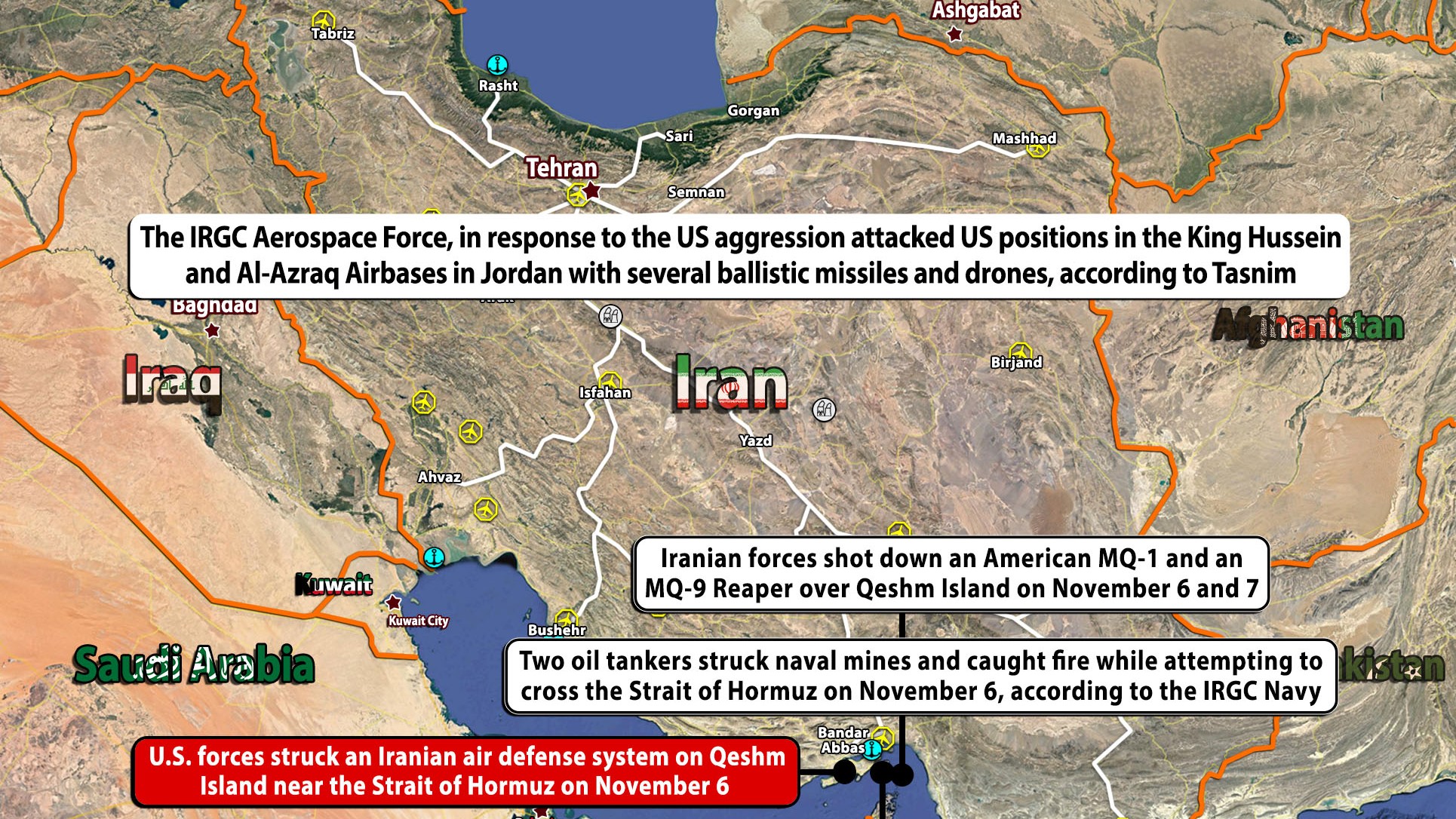
When US officials claim that Iran's military capability is effectively finished, local supply chains tell a completely different story. Shipping through the Strait of Hormuz hasn't returned to normal. Instead, commercial vessels are forced into tight, heavily guarded convoys hugging the coast of Oman under the watchful eye of naval escorts.
Insurance rates and freight charges for tankers moving through the Gulf are sitting at roughly ten times their pre-war baseline. That is a massive operational tax on every single barrel of oil and cubic meter of gas leaving the region. Calling this a victory ignores the persistent friction eating away at trade margins. When Houthi forces in Yemen continue launching projectiles toward Saudi infrastructure, and Iranian assets trade blows with American electronic warfare systems in places like Bahrain, the idea of a stable ceasefire falls apart under scrutiny. Related reporting on the subject has been provided by NBC News.
The Cost of Living with the Deadlock
Most casual observers miss how exhausting a "no war, no peace" environment is for regional economies. Governments in Riyadh and Abu Dhabi are walking a tightrope. They want to project absolute security to foreign investors, yet they are dealing with intercepted cruise missiles over their capital regions and sporadic threats to key energy hubs.
Let's be honest about what keeps leaders awake at night in these capitals. It is not just the threat of a massive aerial blitz; it is the constant, grinding attrition of maritime trade, cyber probing against critical infrastructure, and proxy actions that can flare up without warning. When Washington treats the Middle East as a chessboard where pieces can simply be frozen in place, it underestimates how much economic damage accumulates during the deep freeze.
Where Diplomacy Actually Breaks Down
The core disagreement isn't about whether to drop another wave of bombs. It is about the absolute lack of a shared endpoint. Washington insists that any long-term arrangement must permanently dismantle elements of Iran's nuclear infrastructure and curb its regional networks. Tehran, meanwhile, demands structural relief from economic blockades and naval restrictions that are slowly choking its state revenues.
Neither side is willing to blink first, which leaves regional intermediaries stuck in the middle. Gulf states find themselves playing diplomatic triage. They urge restraint on Washington because they know their own skylines and oil installations are the primary absorbing filters for any retaliatory spillover.
Stop expecting a neat diplomatic signature or a sudden breakthrough treaty to solve this. The current trajectory points toward a long, expensive era of armed stalemate where economic endurance matters far more than short-term military bravado. Keep your eyes on the shipping registers in the Gulf rather than political speeches in Western capitals if you want to know what is actually happening on the ground.
Trump says Persian Gulf allies urged restraint; IRGC claims strike on US radar in Bahrain
This video provides additional context regarding the recent statements from Washington concerning regional allies urging restraint amid ongoing maritime and regional tensions.