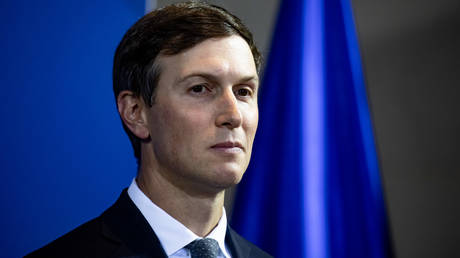
You can't talk about modern progressive politics in the Midwest without running straight into Abdul El-Sayed. For years, political pundits have tried to box him into neat categories. They call him a standard-issue academic, a fiery grassroots activist, or a visionary technocrat. None of those labels quite fit.
When you look at his path from public health official to high-profile political candidate, you see a figure who operates differently. He doesn't just talk about policy papers. He talks about structural power, bodily autonomy, and how the plumbing of government actually affects everyday people. If you want to understand where the progressive movement is heading, you have to look past the talking points and examine who Abdul El-Sayed actually is, what drives his campaigns, and why his political footprint keeps expanding.
The Public Health Foundation
Most politicians enter public life through law schools or local party committees. El-Sayed took a wildly different route. He trained as an epidemiologist and physician. He earned his doctorate at Oxford as a Rhodes Scholar and later served as the executive director of the Detroit Health Department under Mayor Mike Duggan.
That background matters. When you run a health department in a major American city facing immense fiscal and infrastructural challenges, you learn quickly that political theory doesn't stop lead poisoning or clean up contaminated water. Real governance requires operational competence.
During his time leading Detroit's health agency, El-Sayed tackled systemic issues head-on. He focused heavily on environmental justice, chronic illness prevention, and urban health disparities. This operational experience shaped his entire political worldview. He treats healthcare not as a market commodity or a niche legislative debate, but as a foundational human right. When he speaks on universal healthcare or climate change, he uses the cold, hard language of public health data rather than generic political slogans. That background gives his policy arguments a weight that standard career politicians often struggle to replicate.
Building a Grassroots Movement
When El-Sayed launched his historic bid for governor of Michigan back in 2018, seasoned insiders wrote him off instantly. He was young. He was relatively unknown outside academic and public health circles. He lacked massive corporate backing.
Yet, his campaign electrified a massive block of progressive voters across the state. He built an insurgent campaign fueled by small-dollar donations and thousands of grassroots volunteers. He refused corporate PAC money on principle. Instead, he relied on retail politics, marching through union halls, community centers, and university campuses to build a coalition of working-class families, young organizers, and progressive activists.
Even though he didn't win that primary, the campaign fundamentally altered the state's political landscape. It proved that progressive economic populism could resonate deeply outside of coastal enclaves. It showed that voters respond to authenticity, even when establishment gatekeepers push back. The network of activists and donors he mobilized during that run didn't disappear. They became the operational backbone for subsequent progressive campaigns and ballot initiatives across Michigan.
The Intersection of Faith and Public Service
As an American Muslim in modern politics, El-Sayed has navigated a unique and often hostile landscape. Rather than shying away from his identity, he leans into it with absolute clarity. He talks openly about how his faith informs his ethical duty to care for the vulnerable, fight for economic justice, and protect the environment.
This approach disarms critics who try to weaponize identity politics against him. By anchoring his progressive values deeply in universal moral principles, he bridges cultural divides that often trap other candidates. He connects with rural voters by talking about economic survival, agricultural sustainability, and the loss of local industry. He connects with urban voters by addressing housing affordability, criminal justice reform, and systemic disinvestment.
This dual appeal is rare. Most politicians pander to specific demographics, carving up the electorate into neat, manageable silos. El-Sayed tries to stitch those silos back together through a shared economic message. He argues that corporate monopolies, failing infrastructure, and stagnant wages hurt working people regardless of where they live or who they worship.
Policy Focus on Economic Democracy
If you listen to El-Sayed's speeches or read his books, you'll notice a recurring theme: economic democracy. He doesn't just want to tinker with tax rates or offer minor subsidies. He argues that the fundamental architecture of the American economy is rigged to concentrate wealth at the top while externalizing risks onto ordinary citizens.
His policy platform consistently targets corporate consolidation and fights for structural reforms. He champions aggressive climate action, noting that environmental degradation disproportionately destroys low-income communities and communities of color. He pushes for robust labor rights, arguing that the decline of unions directly correlates with the stagnation of the American middle class.
Critics often label these ideas as unrealistic. El-Sayed's counter-argument is simple: maintaining the status quo is what's truly unsustainable. When healthcare costs bankrupt families, when infrastructure crumbles, and when billionaires rake in record profits while workers struggle to pay rent, the current system is already failing. His solutions might be bold, but they match the scale of the crises we face.
What Comes Next for the Movement
Abdul El-Sayed isn't just an individual candidate. He represents a generational shift in how progressive politics are practiced in the American Midwest. The old playbook of triangulated moderation and corporate-friendly compromise is losing its grip on voters who demand real change.
Whether he's serving in public office, writing books, or organizing communities, his influence stretches far beyond any single election cycle. He has helped train a new generation of political organizers who understand that winning elections is only the first step. The harder part is building the institutional power necessary to enact lasting structural transformation.
Pay attention to how political leaders across the country adopt these strategies. The fusion of technical expertise, unapologetic progressive values, and grassroots organizing is becoming the new standard for modern political insurgencies. Abdul El-Sayed helped write that playbook, and its impact will shape American elections for decades to come.
Assess the political figures in your own region. Look past the slick television ads and campaign slogans. Examine their actual track records, their funding sources, and their willingness to challenge entrenched power structures. That is where you find the true measure of a leader.