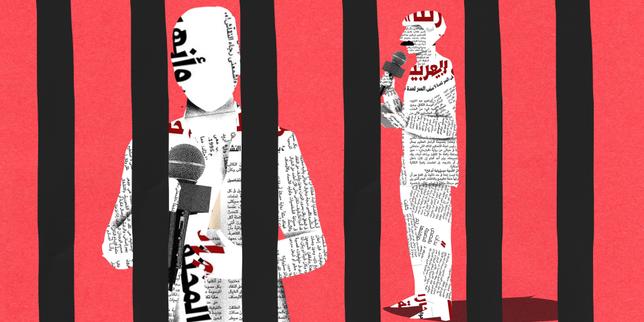
Writing about a conflict that refuses to stop messes with your head. It changes how you look at news, audience fatigue, and the basic responsibility of a reporter. When a war drags on for years, the initial shock fades. Audiences get tired. They click away.
Managing an independent newsroom through this requires brutal honesty. Olga Rudenko, editor of the Kyiv Independent, faces this reality daily. People want simple narratives of good versus evil. They want cheering sections. But real journalism doesn't work that way.
The Trap of War Fatigue
The biggest threat to long-term conflict reporting isn't censorship. It's boredom. When missiles become routine background noise, international attention shifts elsewhere. Traffic drops. Ad revenue dips.
Most commercial media outlets chase the numbers. If readers stop clicking on front-line updates, editors cut coverage. But that's a dangerous mistake. Rudenko points out that editorial decisions cannot be entirely driven by what gets immediate clicks. You have to be data-informed, yet mission-driven.
Ignoring a grinding war because people are tired of hearing about it doesn't make the war go away. It just blinds the world to what's happening. Maintaining that focus requires creative community building rather than relying on standard paywalls. When readers feel like they own a piece of the publication, they stick around through the fatigue.
Why Self-Censorship is the Real Enemy
In an existential fight, governments love a unified front. Criticism gets labeled as treasonous or unpatriotic. Editors face immense pressure to keep quiet about internal corruption, military mistakes, or government overreach.
Giving into that pressure destroys credibility. If you only print what makes one side look heroic, you aren't a newsroom. You're a propaganda machine.
Tough reporting shouldn't stop just because a country is under attack. Exposing misconduct in military procurement or local governance isn't a betrayal. It's a requirement for a functioning democracy to survive. If leaders know no one is watching the domestic house while the roof is on fire, corruption spreads unchecked. Real patriotism means demanding better, even when the enemy is at the gates.
Surviving Without Traditional Financial Models
Traditional advertising models are dying even in peacetime. In a wartime economy, they vanish entirely. Relying on wealthy media moguls usually means trading editorial freedom for financial survival.
The alternative is building direct relationships with an audience that cares deeply about truth. Membership models work when a publication stops treating its readers like passive consumers and starts treating them like partners. People will support rigorous reporting if they trust the motives behind it.
Transparency builds that trust. Admitting when a situation is grim, refusing to sugarcoat battlefield losses, and explaining the complicated reality of international politics keeps readers engaged. They can spot fake optimism instantly.
Reporting on a conflict with no clear finish line demands endurance. It forces journalists to look past the next headline and focus on the long haul. The work doesn't stop when the world looks away. That's precisely when it matters most.